
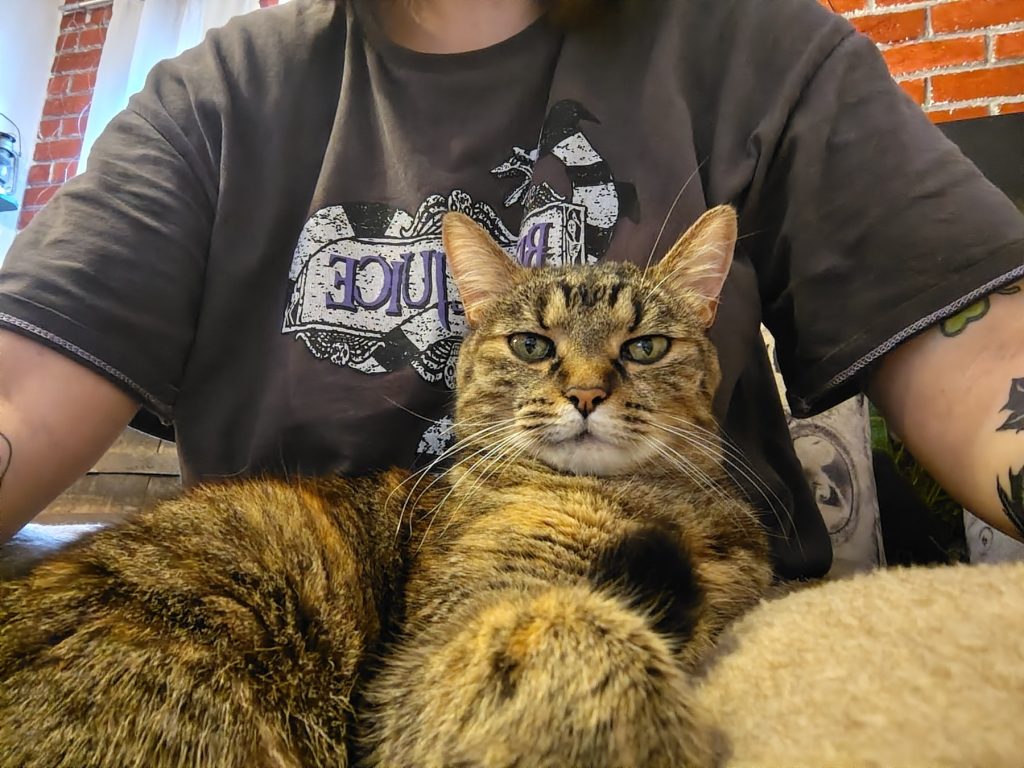
Cats have lived alongside humans for thousands of years, yet they remain one of the most misunderstood animals we share our homes with. They are often described as independent, mysterious, or even distant—but the truth is far more interesting and nuanced. A cat is not a small dog, and understanding that single fact changes everything about how you care for one.
This guide is written for complete beginners. If you’ve never had a cat before, or if you’re simply curious about what cats are really like, this article will walk you through everything you need to know: what cats are as a species, what they like and dislike, what they eat and drink, what affects their health and mood, how much time and attention they need, how indoor cats use the toilet, and how to raise a happy, balanced cat in a home environment.
What Is a Cat, Really?
A domestic cat (Felis catus) is a small carnivorous mammal that evolved as a solitary hunter. Unlike dogs, which evolved to live and work in packs, cats are naturally independent animals. This does not mean they don’t need people or affection—it means their social needs are simply different.
Cats form strong bonds, but they do so on their own terms. They value routine, safety, and trust above all else. When a cat chooses to be close to you, it’s not obedience—it’s a decision.
Understanding this helps you build a respectful and loving relationship instead of forcing expectations that don’t fit their nature.
What Do Cats Like?
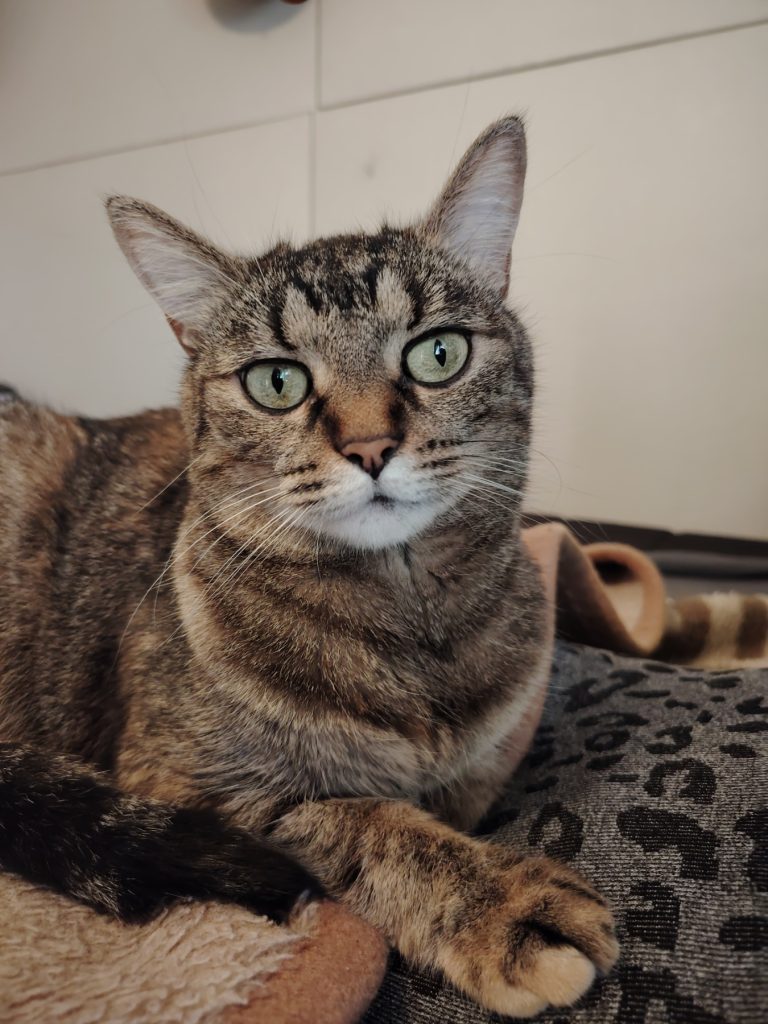
Cats are creatures of comfort and predictability. Most cats enjoy:
- Routine – feeding, playtime, and rest happening at similar times each day
- Quiet environments – sudden loud noises or chaos can stress them
- Warmth – sunny windows, cozy blankets, soft beds
- Vertical space – shelves, cat trees, or window sills where they can observe safely
- Cleanliness – especially when it comes to their food bowls and litter box
- Gentle affection – petting, slow blinking, calm interaction
Many cats enjoy being near their humans even if they’re not being touched. Sitting in the same room, sleeping nearby, or following you from space to space are all signs of affection.
What Do Cats Dislike?
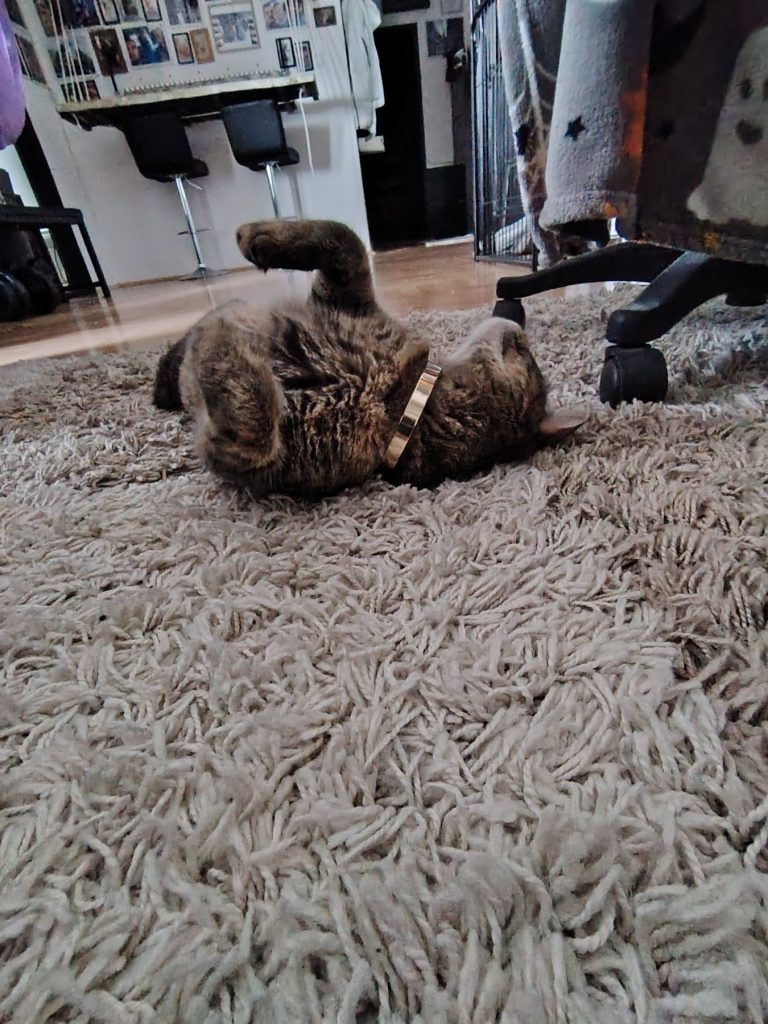
Cats are sensitive animals, and some things can easily make them uncomfortable or anxious:
- Loud voices, shouting, or sudden noises
- Being forced to cuddle or picked up against their will
- Dirty litter boxes
- Sudden changes in environment (new people, furniture rearranged, moving homes)
- Strong smells (certain cleaners, perfumes, cigarette smoke)
- Rough play using hands instead of toys
Ignoring these dislikes doesn’t make a cat “get used to it”—it usually leads to stress-related behavior problems.
What Do Cats Eat and Drink?
Food
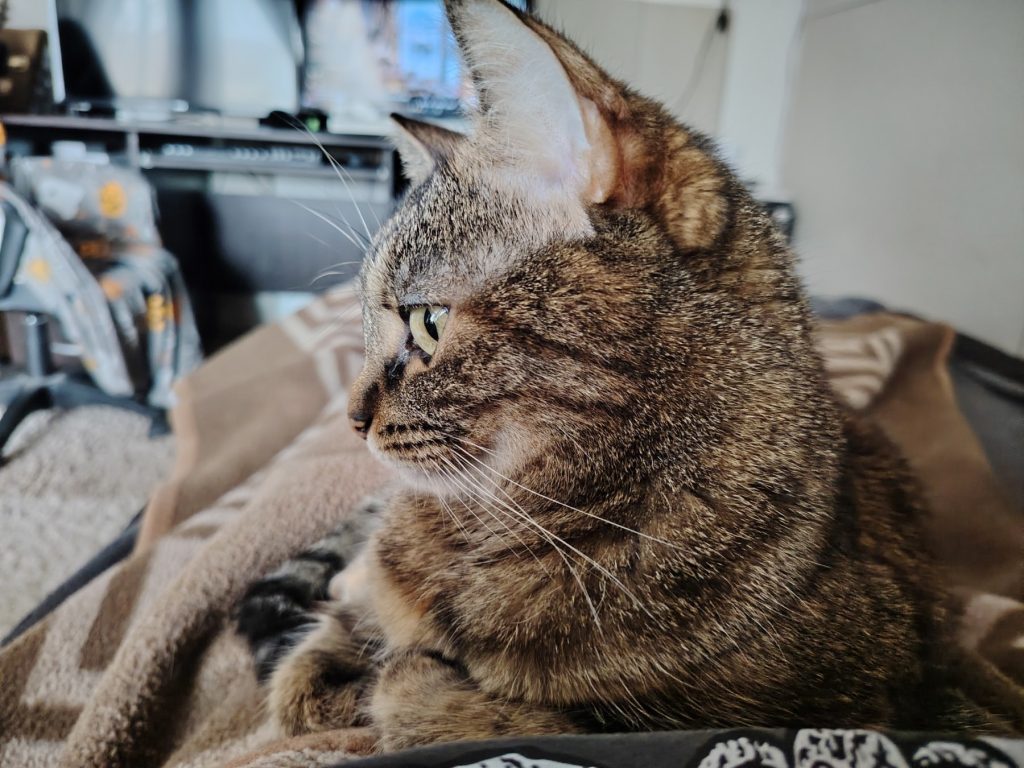
Cats are obligate carnivores, which means they must eat meat to survive. Their bodies are designed to get nutrients from animal protein, not plants.
A healthy cat diet usually includes:
- High-quality commercial cat food (wet, dry, or a mix of both)
- Meat-based proteins like chicken, turkey, beef, or fish
Foods that are dangerous for cats include:
- Chocolate
- Onions and garlic
- Grapes and raisins
- Alcohol
- Cooked bones
- Dog food (not nutritionally complete for cats)
Human food should never replace proper cat food.
Water
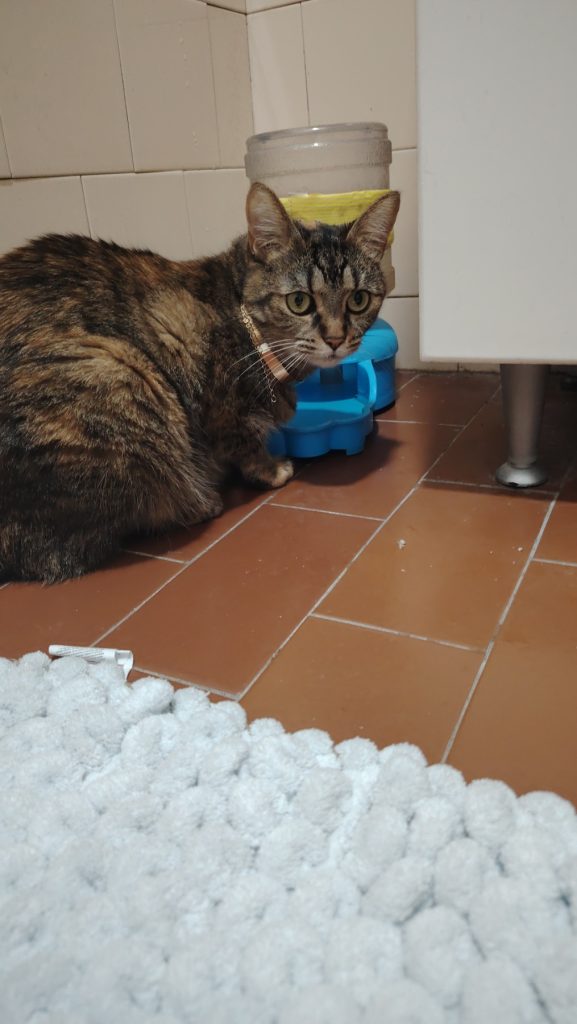
Cats need constant access to fresh, clean water. Many cats prefer:
- Wide bowls (so their whiskers don’t touch the sides)
- Flowing water, like cat fountains
Poor hydration can lead to urinary and kidney problems, especially in indoor cats.
What Can Negatively Affect a Cat’s Health and Mood?
A cat’s physical and emotional health are deeply connected. Some common negative influences include:
- Chronic stress or lack of routine
- Boredom and lack of mental stimulation
- Poor diet or dehydration
- Dirty living conditions
- Lack of veterinary care
- Being ignored for long periods
Cats don’t always show pain or illness clearly. Changes in behavior—hiding, aggression, lack of appetite, or excessive grooming—are often signs that something is wrong.
How Much Attention and Time Does a Cat Need?
Many people assume cats don’t need much attention. This is only partially true.
On average, a healthy adult cat needs:
- 15–30 minutes of active play per day
- Daily feeding routines
- Social interaction (talking, petting, being near you)
Kittens and young cats usually need more playtime. Senior cats need more calm companionship.
Cats don’t need constant attention, but they do need consistent presence. Ignoring a cat entirely can lead to loneliness and behavioral issues.
How Do Indoor Cats Use the Toilet?
Indoor cats use a litter box, which is usually filled with cat litter that absorbs moisture and odor.
How it works:
- Cats instinctively bury their waste
- The litter box should be placed in a quiet, accessible area
- It must be cleaned daily
Most cats learn to use a litter box naturally, without training.
Important tips:
- One cat = at least one litter box (ideally two)
- Keep it clean—cats may stop using it if it’s dirty
- Avoid placing it near food and water
A cat avoiding the litter box is often signaling stress or a health problem.

How to Properly Raise and Care for a Cat
Raising a cat is about building trust, not control.
The best approach includes:
- Respecting boundaries
- Providing routine and structure
- Offering play, stimulation, and rest
- Keeping their environment safe and clean
- Scheduling regular vet visits
A well-cared-for cat is usually calm, curious, affectionate in their own way, and deeply bonded to their home.
Final Thoughts: Living With a Cat
Living with a cat is a quiet, rewarding experience. Cats may not greet you with loud excitement, but they show love through presence, trust, and subtle gestures. Once you learn to read their language, the bond becomes incredibly strong.
A cat doesn’t need perfection—just patience, understanding, and consistency.
If you give a cat a safe home and respect who they are, they will give you companionship that feels natural, peaceful, and deeply personal.