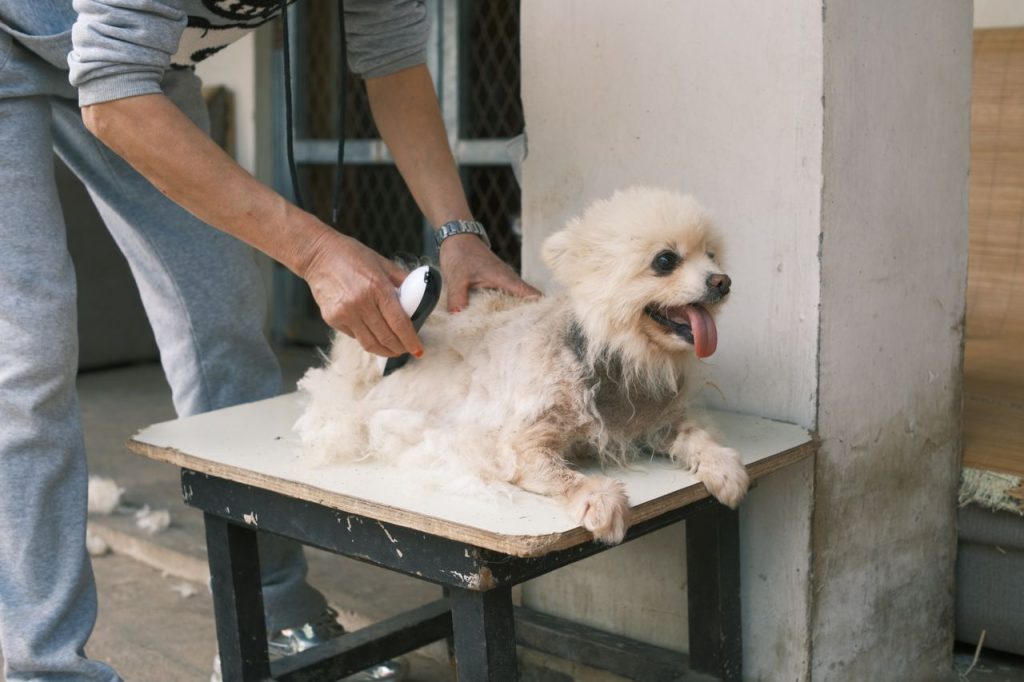
Going to a professional groomer can often be stressful for your dog and quite expensive for you. Fortunately, with a little patience, the right equipment, and a few golden rules, grooming your dog at home can become a rewarding experience that strengthens your bond and saves you money.
Important Disclaimer: The information provided in this article is for educational and informational purposes only. Every dog is unique in terms of coat type, anatomy, behavior, and tolerance to grooming. Improper handling of clippers and scissors can result in serious injury to your pet. Any owner who decides to groom their dog at home does so entirely at their own risk. The author of this article and the portal assume no liability for any injuries, health complications, or aesthetic mistakes resulting from the application of these tips. If you are unsure of your skills, or if your dog is extremely restless, aggressive, or fearful, always consult a professional groomer or a veterinarian.
While it may seem intimidating at first, taking on the role of your pet’s personal stylist comes with a variety of incredible benefits. Before you grab those scissors, it is important to understand why you are doing it, and how to keep the entire process safe and stress-free.
Benefits of Home Grooming: Why Give It a Try?
Significantly Less Stress for Your Dog: A salon is filled with unfamiliar scents, the loud noise of other blow dryers, and the touch of strangers. At home, your dog is in their safe space, surrounded by the people they trust completely.
Strengthening Your Bond: Guiding your dog calmly and patiently through the grooming process creates a deeper bond of trust.
Substantial Financial Savings: High-quality grooming equipment pays for itself after just two or three home sessions, especially for breeds that require grooming every 6 to 8 weeks.
Maximum Flexibility: No bookings, no rush. If your dog gets tired or restless, you can simply take a break and continue later or the next day.
Hands-On Health Checks: During a thorough grooming and brushing session, you can easily inspect every inch of your dog’s skin to spot hot spots, ticks, cuts, lumps, or irritations that long hair usually hides.
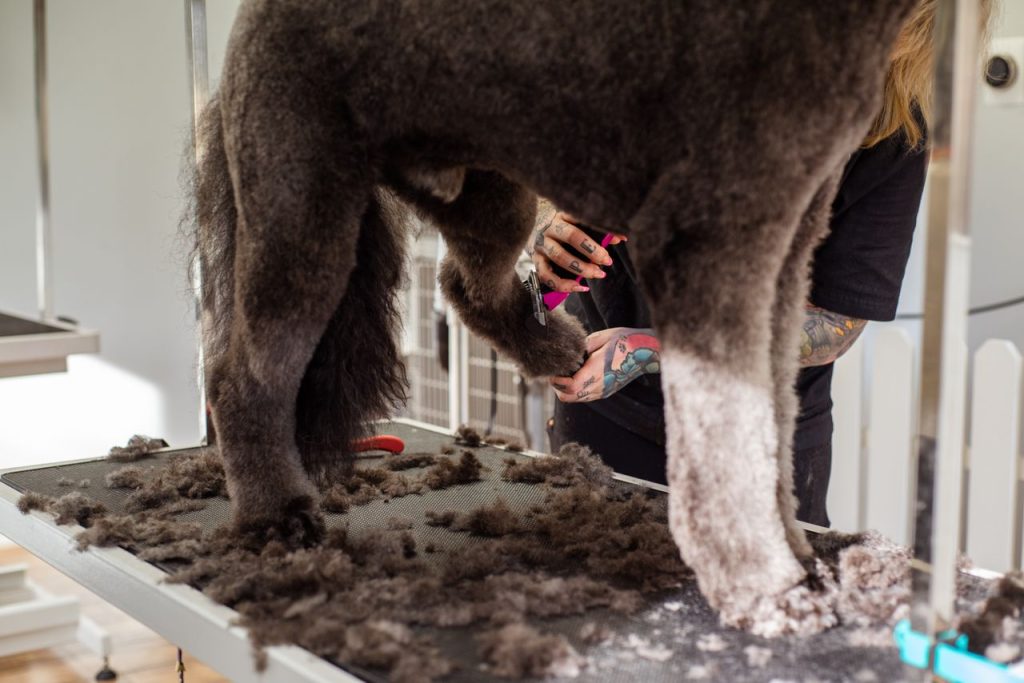

The Essentials: What You Must Know Before the First Cut
Before your home “salon” adventure begins, it is vital to master the basics to prevent injury and make your dog feel safe. Here are the most important lessons for every beginner:
1. Prep Work Is Half the Battle (Never Clip a Dirty Coat!)
This is the most common beginner mistake. A dirty, matted, and tangled coat will quickly dull your clipper blades, causing them to pull the hair and hurt your dog. Before you even turn on the clippers, your dog must be:
Thoroughly Brushed: Untangle all mats and knots. If the clippers hit a mat, they will pull the skin, which can easily lead to a cut.
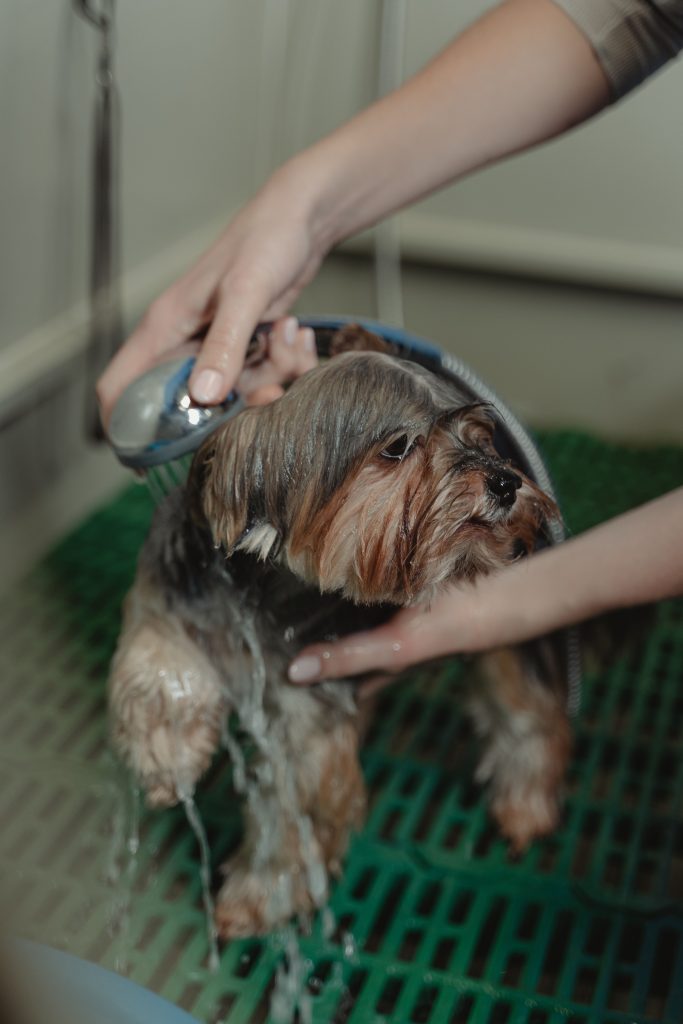
Bathed and Clean: Use a gentle dog shampoo to wash away grit and dirt that ruin blades.
Completely Dry: Clipping wet hair with clippers is incredibly difficult, uneven, and can damage the device.
Basic Gear to Get Started:
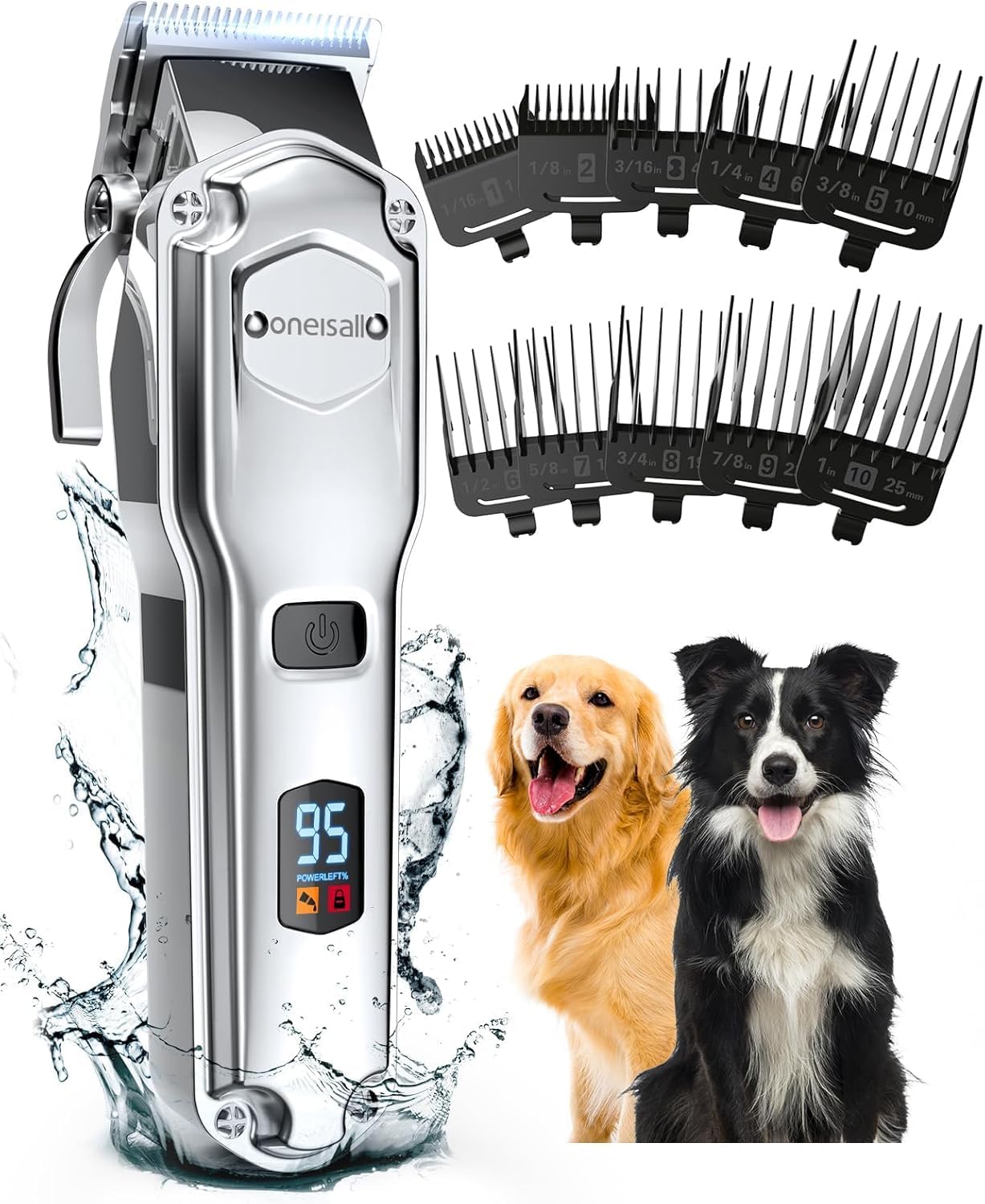
Low-Noise Dog Clippers: Professional-grade or high-quality home clippers designed with low noise and vibration to avoid scaring your dog.
Guard Combs (Attachment Guides): To regulate hair length (never clip down to the skin unless medically necessary).
Professional Grooming Shears: One pair of straight shears with rounded, blunt safety tips, and one pair of thinning shears (blenders) for a natural look.
Metal Comb and Slicker Brush: Essential for detangling before you begin clipping.
Choosing a low-noise, reliable clipper is the secret to a stress-free grooming session. Check out our deep-dive review of the Oneisall Dog Gold Clippers to see why this ultra-quiet, beginner-friendly tool is our top recommendation for home styling!
2. Safety First – How to Handle the Tools
A dog’s skin is incredibly thin and elastic, especially in sensitive areas like the groin, armpits, ears, and neck.
Always Clip in the Direction of Hair Growth: This provides a more natural look and drastically reduces the risk of skin irritation (clipper burn) and accidental cuts.
Keep the Skin Taut: Always use your free hand to gently pull the skin tight in the area you are clipping so that skin folds don’t get caught in the clipper teeth.
Watch the Blade Temperature: Clipper blades heat up quickly due to friction. Regularly touch the blade to the back of your hand—if it feels too hot for you, it is too hot for your dog’s skin. Use a cooling spray or take a break.
3. Desensitization: Sound First, Styling Second
If your dog has never felt the vibration of clippers, don’t rush straight into grooming. For the first few days, simply turn the clippers on nearby while feeding them or giving them high-value treats. Let them sniff the turned-off device. Then, place the vibrating body of the clippers (the back, not the blades) against their back so they get used to the feeling while receiving treats. Once they completely ignore the sound and vibration, you are ready to style.
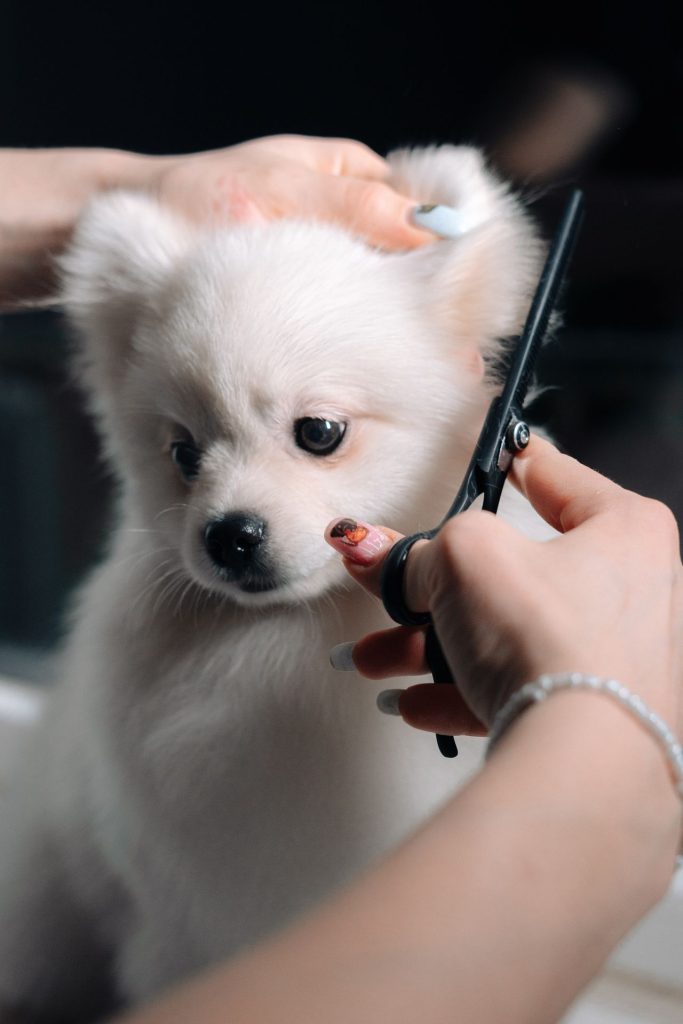
The Golden Rule for Sensitive Areas (Ears, Eyes, Paws): Always use safety shears with rounded (blunt) tips around the eyes and ears. Never point the tips of the shears directly at your dog’s eyes—always cut with the shears held parallel to the skin. If your dog is wiggly, skip these areas until they are fully relaxed.
Metal Comb and Slicker Brush: Essential for detangling before you begin clipping. (If your dog has a thick double coat or is prone to mats, we highly recommend checking out our review of the Docrok Pet Grooming Combo—it’s an absolute game-changer for deshedding and detangling.)
4. Rewards and Patience
Your energy directly affects your dog. If you are anxious and in a rush, your dog will pick up on it and become restless. Keep your first session to just 10–15 minutes. Clip just the back, shower your dog with praise and treats, and let them go. Continue the next day. Grooming should be a bonding activity, not a punishment.
“It doesn’t matter if the first haircut isn’t perfectly symmetrical. Hair grows back, but the trust you build with your dog during this process lasts a lifetime.”
Conclusion
Grooming your dog at home takes a bit of courage at first and plenty of patience, but the benefits are unmatched. With proper preparation, a clean coat, quality tools, and a relaxed environment, you will quickly become your furry best friend’s favorite and most trusted stylist. Good luck!