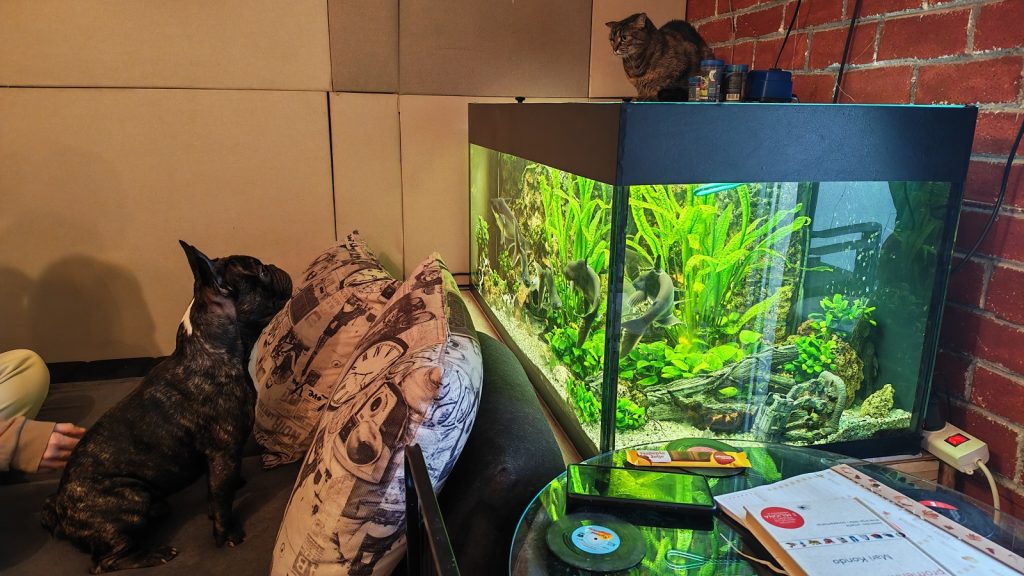
Lighting is one of the most overlooked yet essential aspects of maintaining a healthy aquarium. Many beginners focus on filtration and feeding, but proper lighting plays a crucial role in fish well-being, plant growth, and overall tank balance. Whether you have a freshwater or planted aquarium, understanding lighting can make the difference between a thriving ecosystem and constant maintenance issues.
The Importance of Lighting in an Aquarium
Aquarium lighting serves multiple purposes beyond simple aesthetics. First, it helps regulate the natural day-night cycle of fish, which affects their behavior, feeding habits, and stress levels. Without a consistent lighting schedule, fish can become disoriented and unhealthy.
Second, lighting is essential for live plants. Just like terrestrial plants, aquatic plants rely on light for photosynthesis. Without sufficient light, plants cannot produce the energy they need to grow, leading to decay and poor water quality.
Finally, lighting enhances the visual appeal of your aquarium. Proper illumination brings out the natural colors of fish and creates a vibrant, natural-looking environment.
How Much Light Does an Aquarium Need?
The required light intensity depends largely on the type of aquarium you have:
- Low-light tanks (0.25–0.5 watts per liter / ~1–2 watts per gallon):
Suitable for fish-only tanks or aquariums with low-demand plants like Anubias or Java Fern. - Medium-light tanks (0.5–1 watt per liter / ~2–4 watts per gallon):
Ideal for moderately demanding plants such as Amazon Sword or Cryptocoryne. - High-light tanks (1+ watt per liter / 4+ watts per gallon):
Needed for advanced planted aquariums with species like carpeting plants or red plants.
In addition to intensity, lighting duration is critical. Most aquariums benefit from 6–10 hours of light per day. More than that often leads to algae problems.
White Light vs. Natural Light
Understanding the difference between white and natural light helps in choosing the right lighting system.
White Light
White light in aquariums is typically produced by LED or fluorescent fixtures and is measured in Kelvin (K). Most aquarium lights fall between 5,000K and 7,500K, which appears bright and neutral to the human eye. This type of light is engineered to support plant growth and enhance visibility.
Natural Light
Natural light refers to sunlight. While it may seem ideal, direct sunlight is usually not recommended for aquariums. It is inconsistent, difficult to control, and often leads to excessive algae growth due to its intensity and spectrum.
A balanced artificial white light that mimics daylight is generally the best choice for aquariums.
The Relationship Between Light and Algae Growth
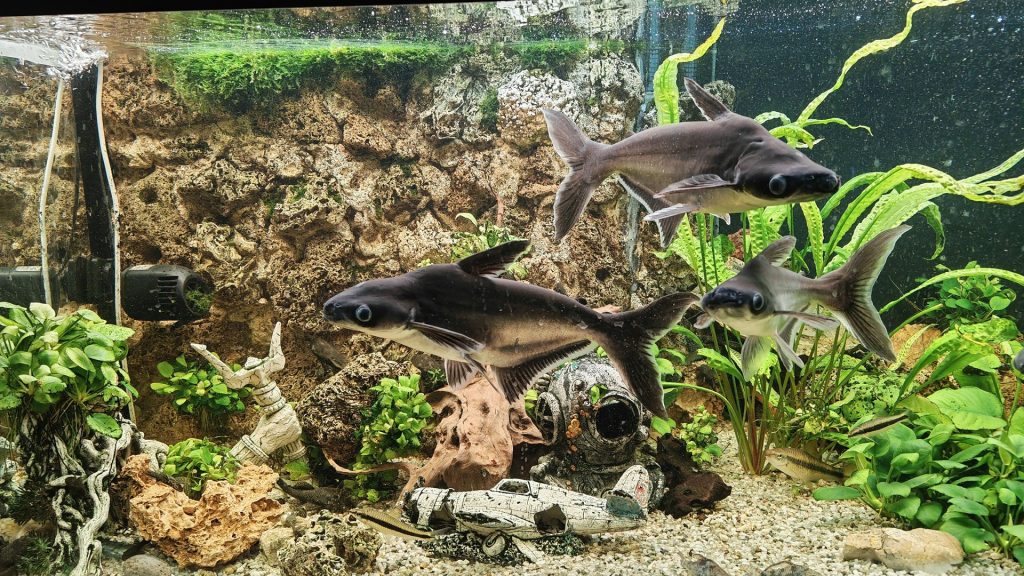
Algae growth is directly tied to lighting conditions, but light alone is not the only factor. The key relationship looks like this:
- Too little light:
Plants struggle, but algae may still survive, especially certain types like brown algae. - Too much light:
Excess light combined with nutrients leads to rapid algae blooms (green water, hair algae, etc.). - Unbalanced light duration:
Irregular lighting schedules can trigger algae even if intensity is correct.
The goal is balance. Proper lighting should be paired with controlled nutrients (like fish waste and fertilizers) and good filtration.
What Plants Need to Grow in an Aquarium
Lighting is only one part of the equation for plant growth. Healthy aquatic plants require:
- Adequate Light
The right intensity and duration, depending on plant type. - Carbon Dioxide (CO₂)
Essential for photosynthesis. In low-tech tanks, natural CO₂ from fish may be enough, but high-light setups often require CO₂ injection. - Nutrients
Plants need macro and micronutrients such as:- Nitrogen (N)
- Phosphorus (P)
- Potassium (K)
- Iron and trace elements
- Stable Environment
Consistent water parameters (temperature, pH, hardness) are crucial for long-term plant health.
Without this balance, even the best lighting won’t produce good results.
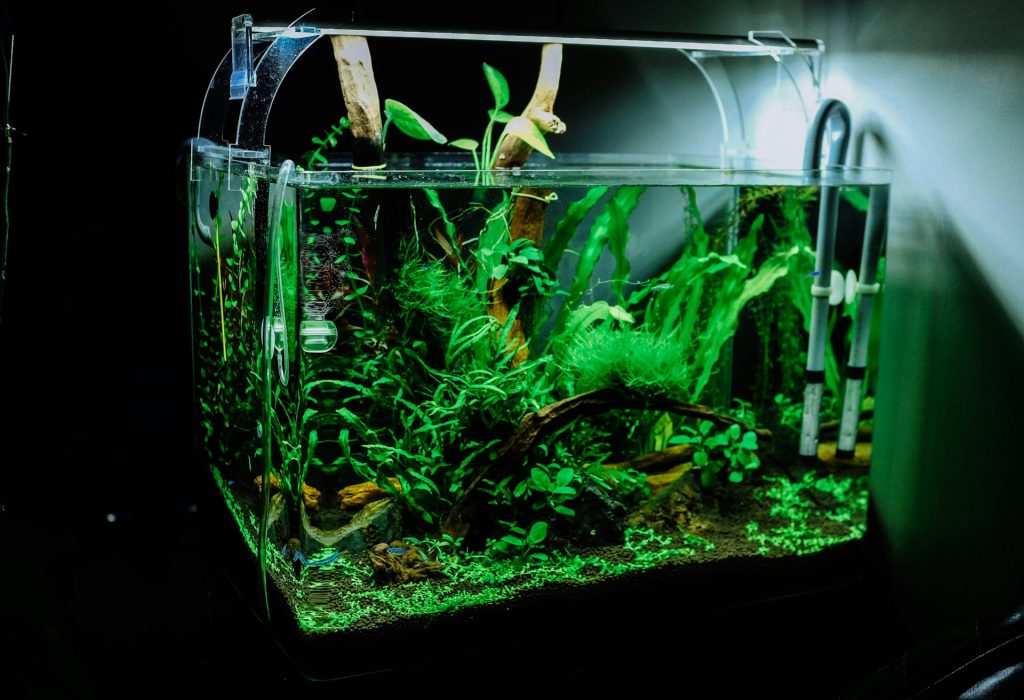
Aquarium lighting is much more than just turning on a lamp. It influences fish health, plant growth, and algae control. The key is finding the right balance between intensity, duration, and supporting factors like nutrients and CO₂.
If you’re just starting out, aim for a moderate lighting setup with a consistent daily schedule. As you gain experience, you can adjust your lighting to support more demanding plants and create a truly stunning underwater environment.
Top Aquarium Lights You Can Buy Right Now
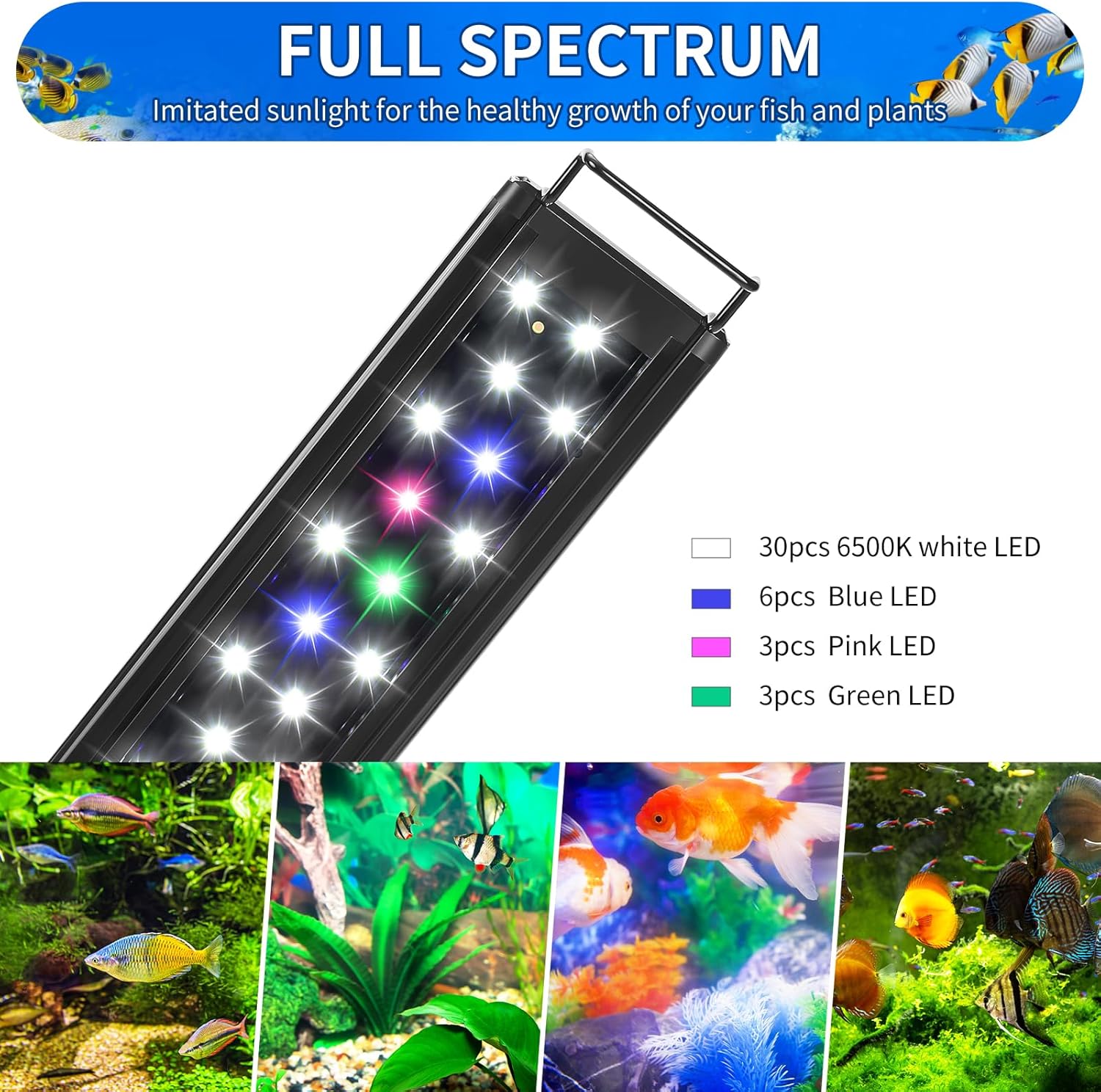
1. AQUANEAT LED Aquarium Light Full Spectrum (18–24 Inch)
If you’re looking for a simple, affordable solution, this is a great starting point. The AQUANEAT LED Aquarium Light delivers bright, energy-efficient lighting suitable for most freshwater tanks.
With 42 LEDs (including white, blue, pink, and green), it provides a balanced full spectrum that enhances both fish and plants. It’s best suited for tanks around 10 gallons and fits sizes between 18–24 inches.
Keep in mind: it doesn’t include a timer or brightness control, so it’s ideal for beginners who want plug-and-play simplicity.
2. Fluval Aquasky 2.0 Bluetooth LED Aquarium Light (36–48″)
This is a premium option for serious aquarists. The Fluval Aquasky 2.0 stands out thanks to its Bluetooth app control, allowing you to fully customize your lighting schedule.
You can simulate:
- Sunrise and sunset
- Cloud cover and storms
- Full 24-hour natural light cycles
With RGB + 6500K white LEDs and wide 120° coverage, your tank gets even, professional-grade illumination. Plus, the IP67 waterproof rating means it’s safe for mounting directly above water.
Perfect for planted aquariums or anyone who wants a high-end, automated setup.

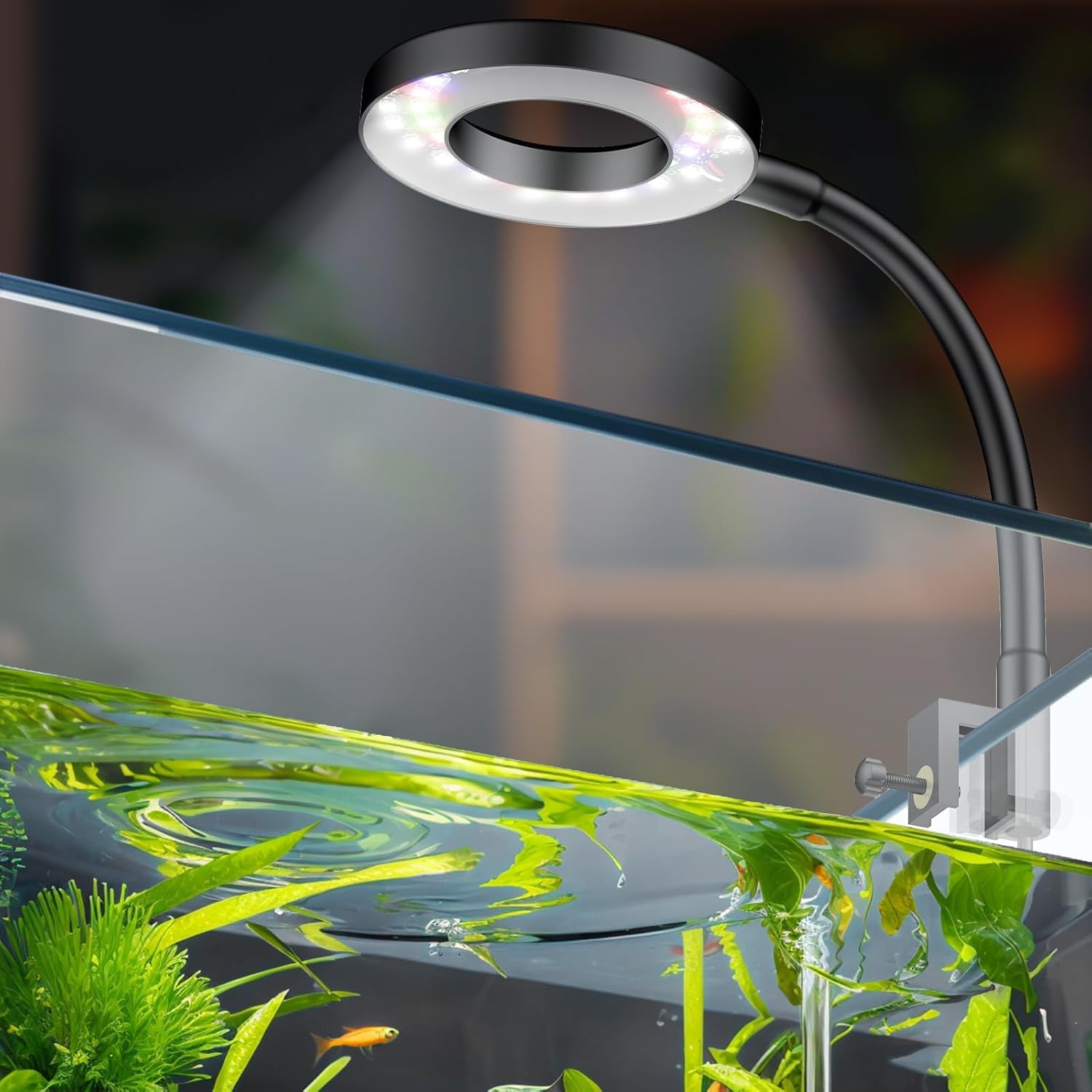
3. Pawfly 6W LED Aquarium Clip Light (1–5 Gallons)
For nano tanks, this compact clip-on light is a smart choice. The Pawfly LED Aquarium Light is designed specifically for small setups (1–5 gallons).
It offers:
- Full spectrum lighting (white, blue, red, green)
- 6 brightness levels
- Built-in timer (8h / 10h / 12h)
- Day and night modes
The flexible gooseneck makes positioning easy, and it’s ideal for desktop aquariums or shrimp tanks.
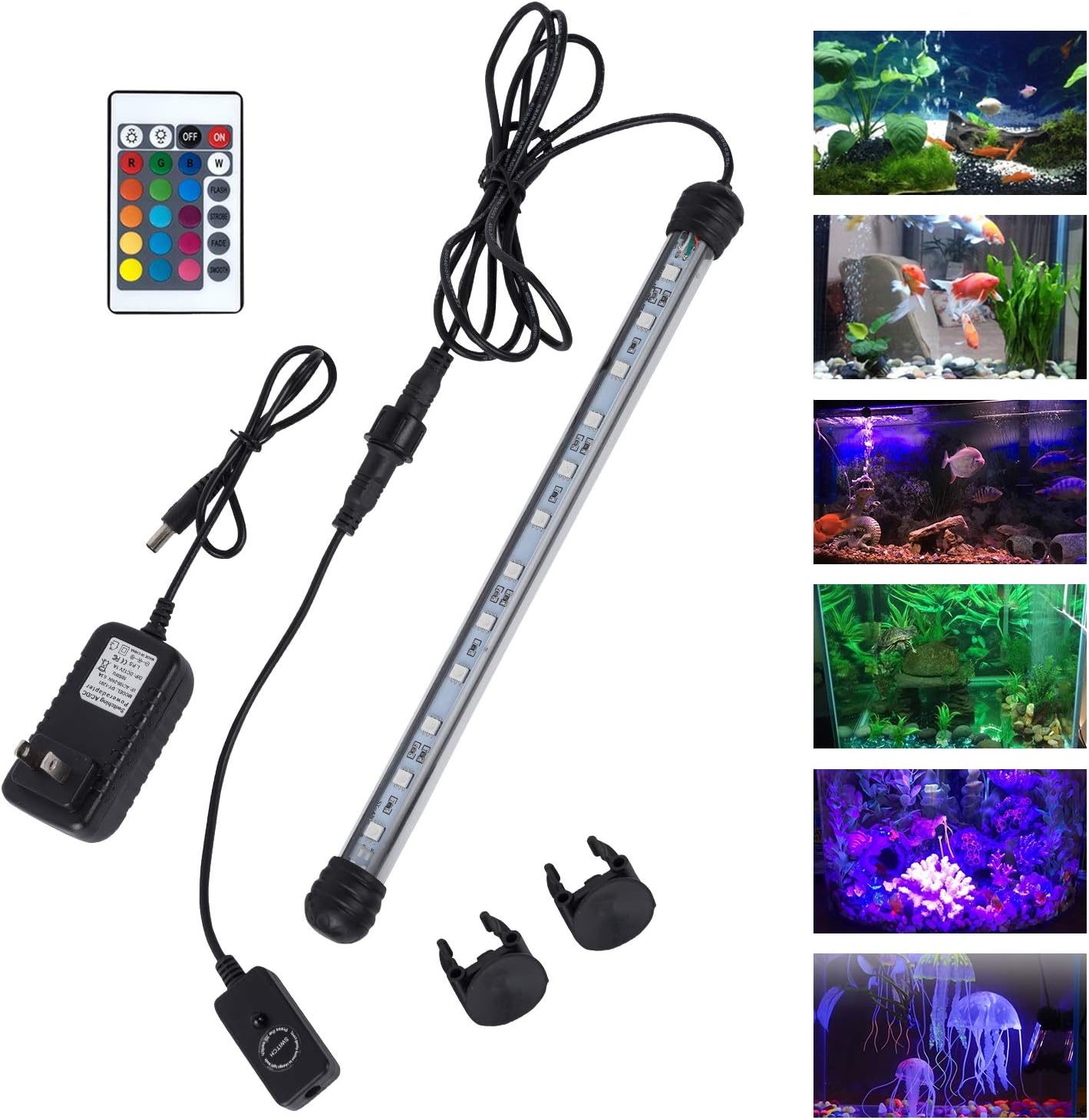
4. MQ Submersible LED Aquarium Light (8-inch, 1.2W)
If you want something different, this submersible LED light adds a unique visual effect from inside the tank.
It features:
- 16 color options and 4 lighting modes
- Adjustable brightness via remote control
- Fully waterproof IP68 design
Great for decorative setups, aquascaping highlights, or adding a colorful ambiance to your aquarium.
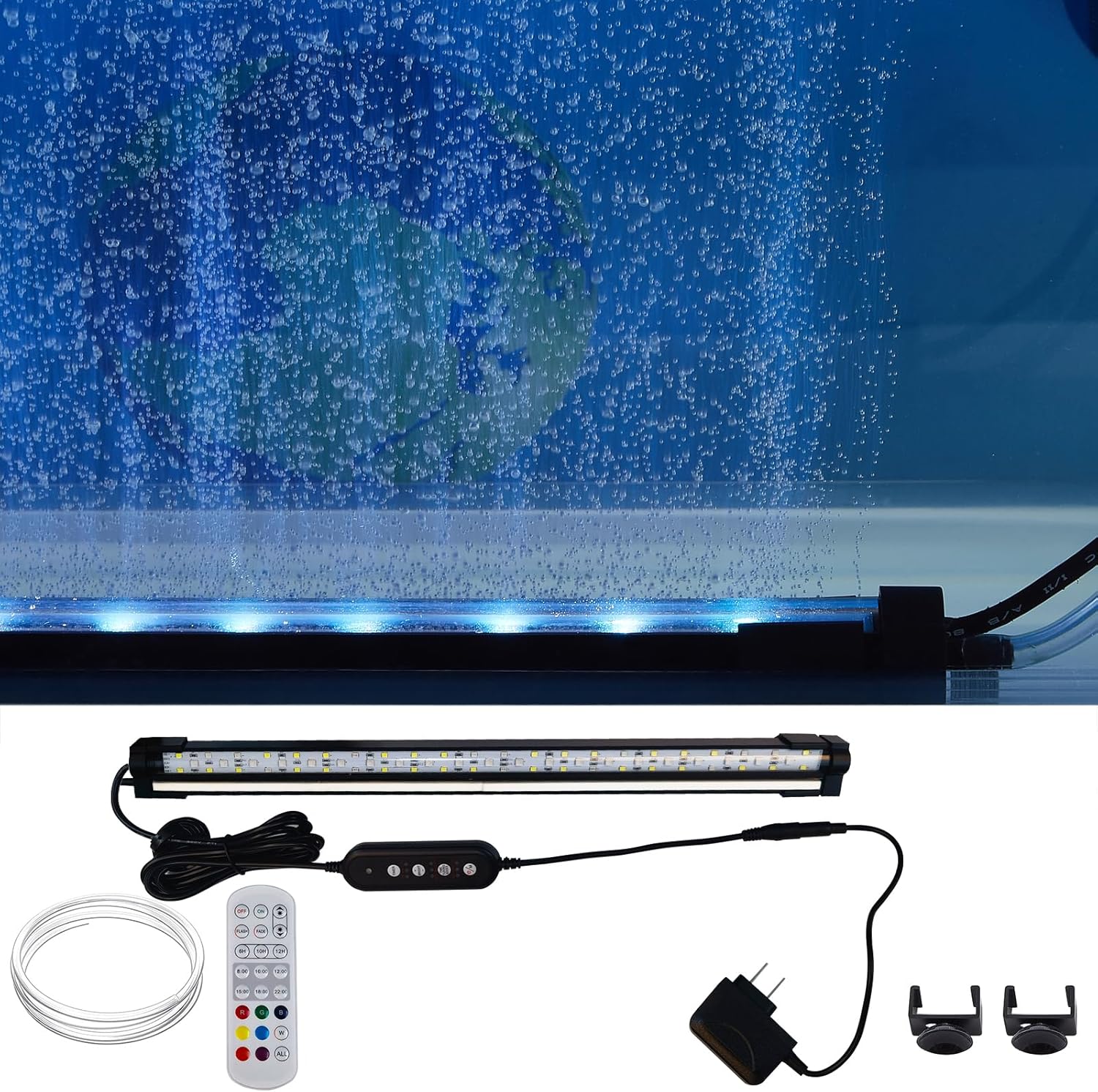
5. Carefree Fish 24/7 Submersible LED Light with Timer
This light is all about automation and natural simulation. The Carefree Fish Aquarium Light includes a 24/7 mode that mimics a full day cycle:
- Sunrise (orange tones)
- Daylight (bright white)
- Sunset (red/orange)
- Moonlight (blue)
It also includes a DIY mode, allowing you to adjust brightness, color, and timing. A bonus feature is the integrated air stone, which improves oxygen levels in your tank.
Perfect for users who want a hands-off, natural ecosystem.
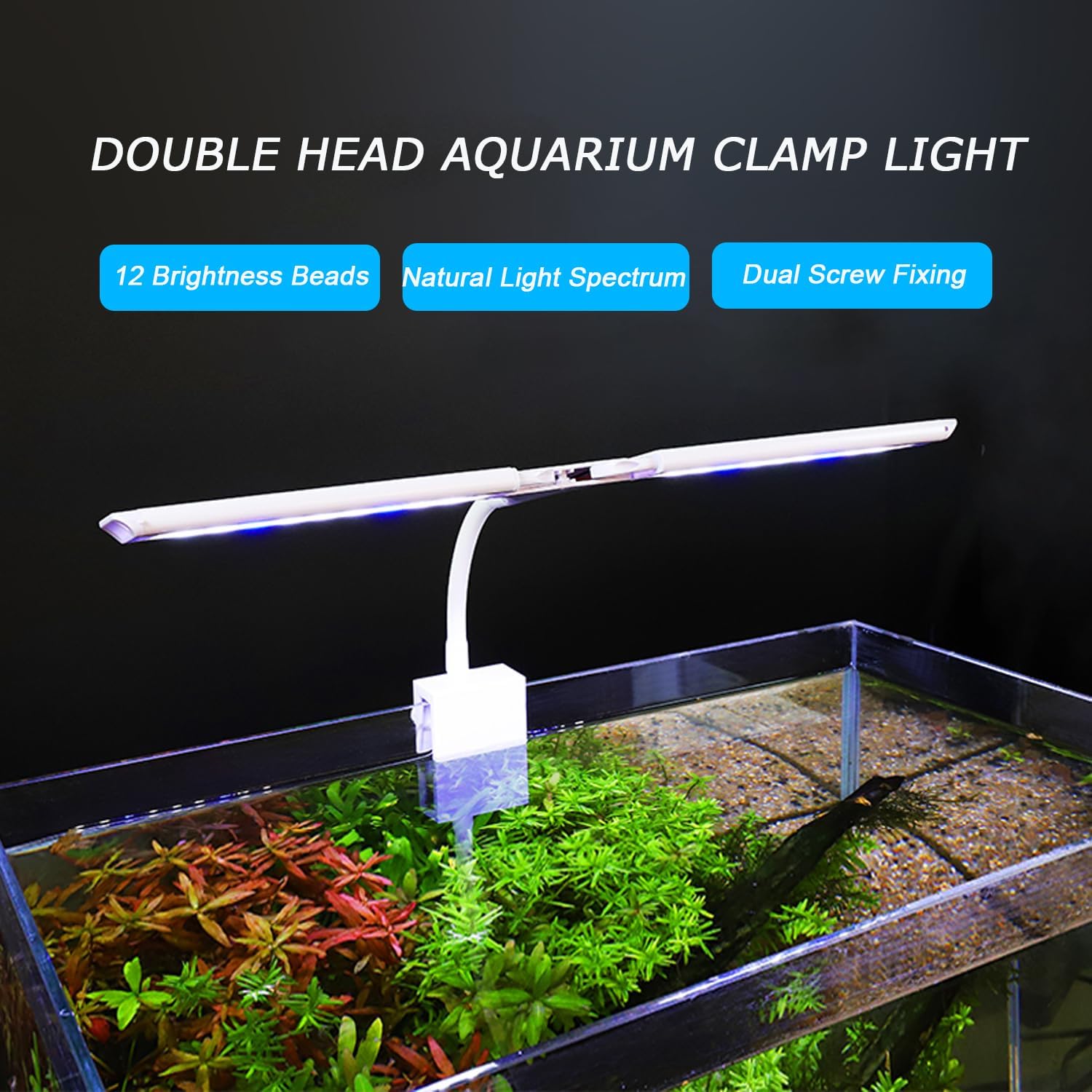
6. LED Aquarium Clip Light with Double Swing Arm (4W)
This versatile clip light is great if you have one or two small tanks. The double swing arm design allows you to position the light exactly where needed.
Key benefits:
- Full spectrum lighting for plants and fish
- Flexible 360° positioning
- Long lifespan and low energy consumption
It’s a practical choice for hobbyists who want flexibility and efficiency in a compact design.
How to Choose the Right Aquarium Light
When selecting an aquarium light, consider:
- Tank size – Larger tanks need stronger, wider coverage
- Plants vs. fish-only – Plants require full spectrum and higher intensity
- Control features – Timers and dimmers help prevent algae
- Placement – Submersible vs. above-tank lighting
Final Thoughts
The best aquarium light depends on your setup and goals. If you want simplicity, go with something like the AQUANEAT. For advanced control, the Fluval Aquasky is hard to beat. And for small or decorative tanks, clip-on or submersible options work perfectly.
A well-lit aquarium isn’t just beautiful—it’s a healthier, more balanced environment for your fish and plants.