Introduction
Tattoos have evolved from ancient cultural symbols to one of the most popular forms of self-expression in the modern world. Whether deeply meaningful, purely aesthetic, or somewhere in between, tattoos tell stories—on skin that lasts a lifetime.
In this guide, we’ll explore everything you need to know about tattoos and tattooing: from history and styles to the actual process, pain, risks, aftercare, and current trends.
History of Tattooing
Preserved tattoos on ancient mummified human remains show that tattooing has been practiced worldwide for many centuries. In 2015, scientific re-evaluation of the age of the two oldest known tattooed mummies identified Ötzi as the oldest currently known example. His body, bearing 61 tattoos, was found embedded in glacial ice in the Alps and dates back to 3250 BCE. In 2018, the world’s oldest figurative tattoos were discovered on two Egyptian mummies dated between 3351 and 3017 BCE.
Ancient tattooing was most widespread among Austronesian peoples. It was one of the early technological developments of Proto-Austronesians in Taiwan and coastal South China before 1500 BCE, prior to the Austronesian expansion across the Indo-Pacific islands. It may have originally been associated with headhunting. Tattooing traditions, including facial tattooing, can be found among all Austronesian subgroups, including Taiwanese indigenous peoples, Island Southeast Asians, Micronesians, Polynesians, and Malagasy. Austronesians used a distinctive skin-puncturing technique with a mallet and a sharp tool made from citrus thorns, fish bones, bones, and shells.
Māori tribes of New Zealand are known for their facial tattoos, and it is believed that the word “tattoo” comes from their word tatau. The Serbian word “tetovaža” entered the language through the French form tatouage. The Japanese practice tattooing in the style known as irezumi, which also includes facial tattoos as part of their tradition.
Tattooing of various body parts has been widespread across the world, from Africa (Berber tribes) and South America (indigenous tribes) to China and beyond. In modern times, tattooing knows no boundaries, and people get tattooed in all parts of the world. However, tattooing has also at times been a symbol of repression, such as during World War II, when Nazis marked people in concentration camps by tattooing numbers on their forearms.
Symbolism and Meaning of Tattoo Motifs
The practice of tattooing carries different meanings across cultures. In early traditions, decoration appears to have been the most common motive for tattooing, and this remains true today. In some cultures, tattoos served as a form of identification, indicating the rank or status of the wearer within a group. For example, the early Romans tattooed slaves and criminals. Tahitian tattoos functioned as rites of passage, telling the life story of the wearer. Boys entering manhood would receive one tattoo to mark the occasion, while men would adopt another style upon marriage. Sailors traveling to exotic lands began collecting tattoos as souvenirs from their journeys, and tattoo parlors emerged in port cities around the world.
Tattoo artists often say they prefer custom work—it is more challenging and artistically fulfilling to create something new rather than reproducing overused designs such as tribal patterns or Chinese characters. Many people want tattoos that carry a personal message and hold special meaning and value for them; however, there are also many who get tattooed due to trends or other reasons. It is generally believed that such distinctions should not be made, as everyone knows (or should know) what they want.
People with tattoos are often asked questions like: “What does that mean?” Even though tattoos are a personal matter and do not necessarily have to mean anything, those asking are not entirely wrong. Many images carry their own symbolism and meaning. Often, the same design can have completely different symbolism depending on the perspective and cultural context. Some motifs have various interpretations tied to religion, mythology, history, different groups and ideologies, countries, and diverse cultures and customs. Certain designs have also been adopted by specific groups, which does not necessarily mean they must represent that ideology.
For example, among Catholics in Herzegovina, sicanje represents a traditional form of protective tattooing used to remind children of their Christian heritage. However, the general stance of Christianity is that tattoos are considered non-Christian and not in accordance with the faith.
Popular Tattoo Styles
Tattooing is a diverse and expressive art form, offering a wide range of styles to suit different tastes, personalities, and meanings. Choosing the right style often depends on both your aesthetic preferences and the message or symbolism you want your tattoo to carry. Below are some of the most popular tattoo styles, explained in more detail:
1. Traditional (Old School)
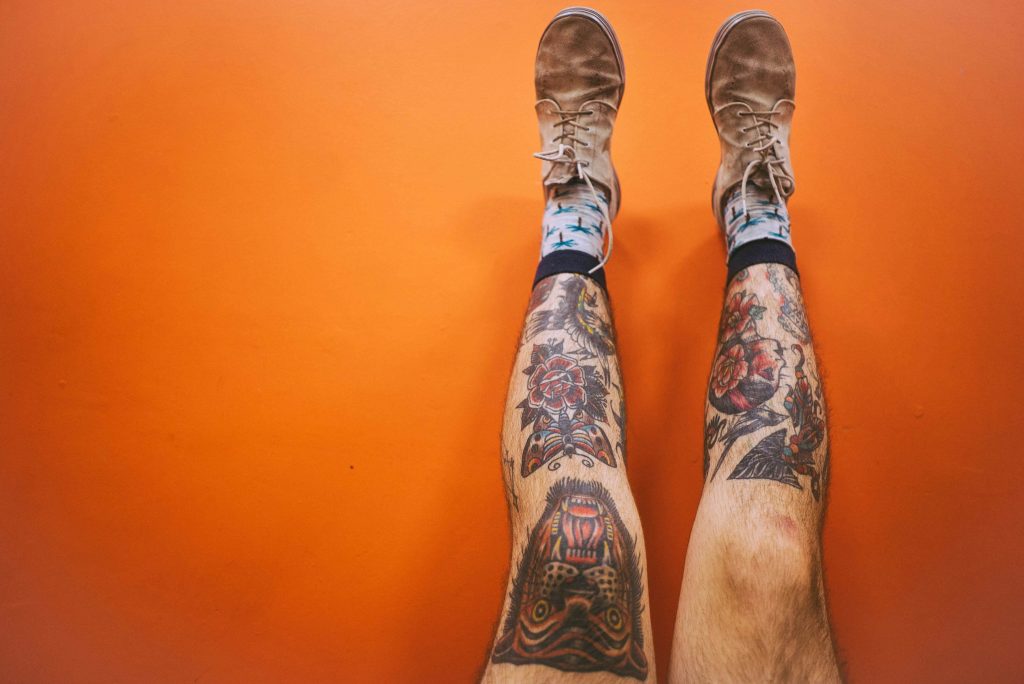
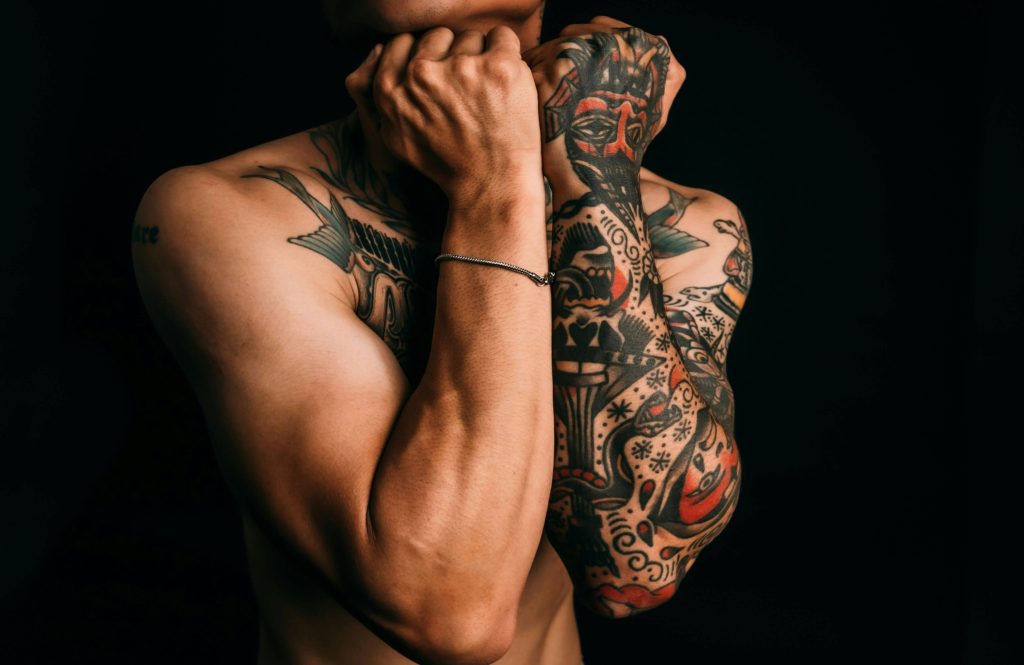
This is one of the oldest and most recognizable tattoo styles. It is characterized by bold black outlines, a limited but vibrant color palette (often red, green, yellow, and blue), and simple yet striking designs. Common motifs include anchors, roses, skulls, swallows, and nautical imagery. Traditional tattoos are known for their durability and timeless appeal.
2. Realism
Realism focuses on creating highly detailed, lifelike images that resemble photographs. This style requires a high level of skill and precision from the artist. Popular subjects include portraits of people, animals, and natural scenes. Realism tattoos can be done in both color and black and grey, often capturing fine details like shadows, textures, and expressions.
3. Minimalist
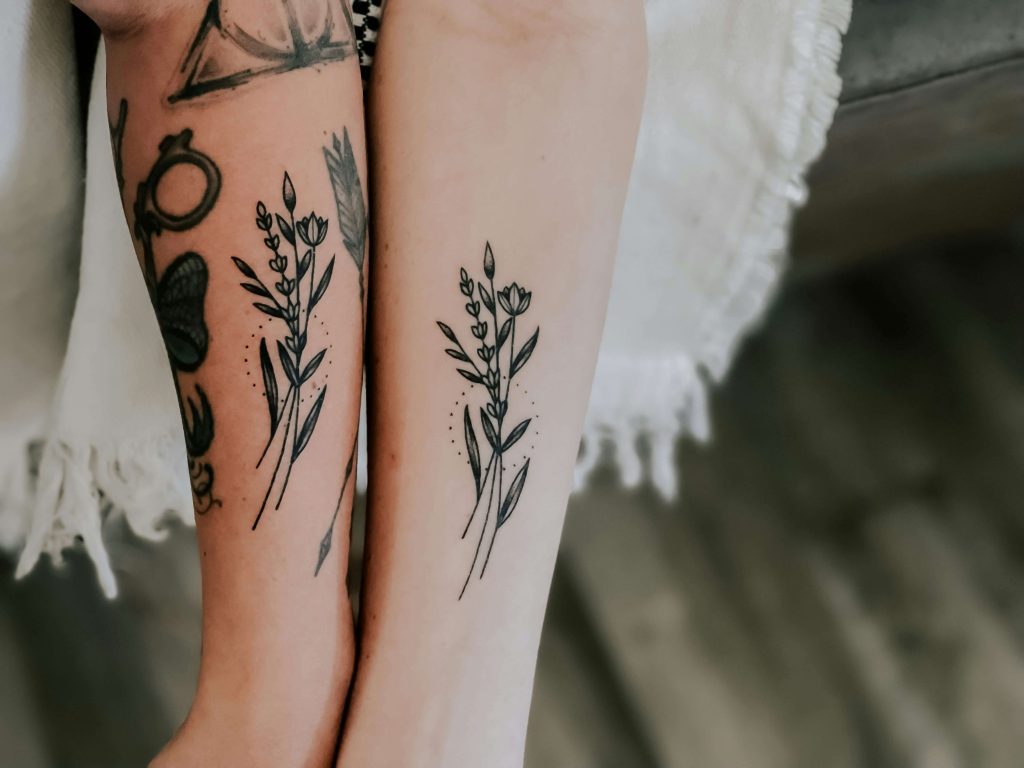
Minimalist tattoos emphasize simplicity and elegance. They typically feature clean lines, small sizes, and minimal detail. This style is perfect for those who prefer subtle and understated designs. Common minimalist tattoos include small symbols, delicate line art, and meaningful yet simple imagery.
4. Watercolor
Watercolor tattoos mimic the look of watercolor paintings. They are known for their soft edges, flowing shapes, and vibrant, blended colors that appear as if they were brushed onto the skin. This style often lacks bold outlines, giving it a more fluid and artistic appearance. Popular designs include flowers, abstract art, and animals.
5. Blackwork
Blackwork tattoos use solid black ink to create bold and powerful designs. They can range from geometric patterns and abstract compositions to tribal-inspired artwork and large-scale pieces. This style often focuses on contrast, symmetry, and visual impact, making it a strong and striking choice.
6. Japanese (Irezumi)
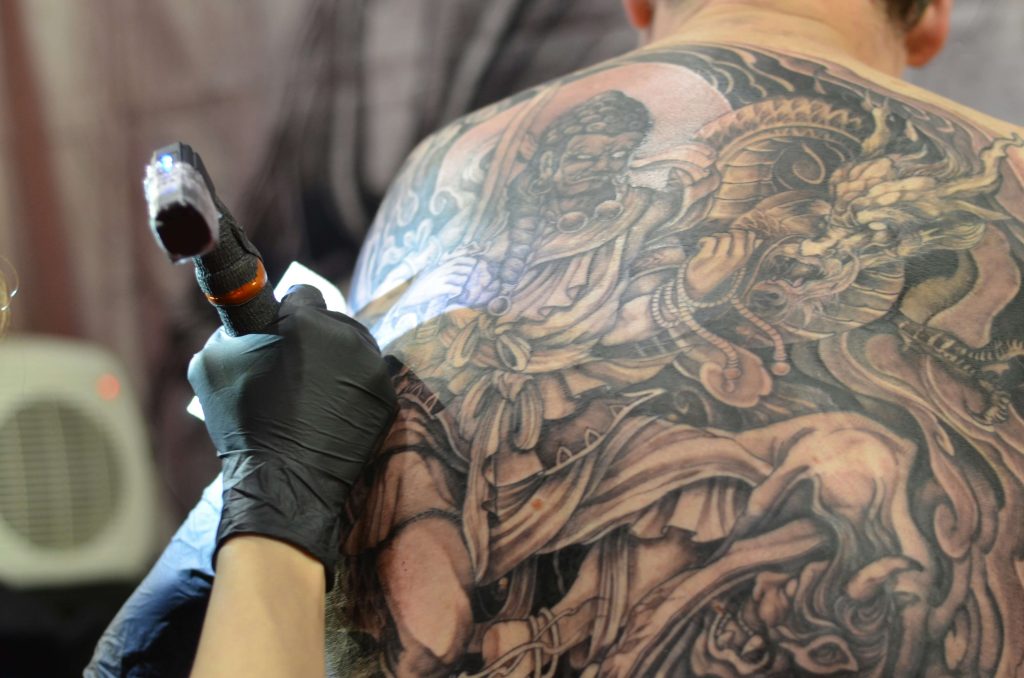
Japanese tattooing, also known as Irezumi, is a traditional style with deep cultural roots. These tattoos are usually large, detailed, and often cover significant portions of the body (such as sleeves or full back pieces). Common themes include dragons, koi fish, waves, samurai, and mythological creatures. Each element typically carries symbolic meaning.
7. Neo-Traditional
Neo-traditional is a modern evolution of the traditional style. It retains bold outlines but expands the color palette and incorporates more intricate details, shading, and depth. This style often blends classic tattoo elements with contemporary artistic techniques, resulting in visually rich and dynamic designs.
Each of these styles offers something unique, and the best choice ultimately depends on your personal vision, the meaning behind your tattoo, and the skill of the artist bringing it to life.
Why People Get Tattoos
People choose to get tattoos for a wide variety of reasons, and each tattoo often tells a unique story about the person wearing it. For many, tattoos are much more than just body art—they are a form of self-expression, a way to capture memories, or a connection to culture and identity. Here are some of the most common reasons people choose to get tattooed:
1. Self-Expression
Tattoos offer a powerful way to express who you are. They can reflect your personality, beliefs, passions, or life philosophy. For some, a tattoo might represent a rebellious streak, a love for art, or a deeply personal mantra. It’s a visible, permanent declaration of identity that can be shared with the world without saying a word.
2. Memorials and Remembrance
Many people choose tattoos to honor loved ones who have passed away or to commemorate meaningful moments in life. These tattoos serve as lasting reminders of people, experiences, or milestones that have shaped them. From dates and names to portraits or symbolic imagery, memorial tattoos carry deep emotional significance.
3. Aesthetics and Love of Art
Sometimes, people get tattoos simply because they love the way they look. Tattoos can transform the body into a living canvas, combining color, line, and design in visually striking ways. For those who admire artistry and beauty, tattoos are a form of wearable art that enhances their physical expression.
4. Symbolism and Personal Growth
Tattoos can carry profound symbolic meaning. They may represent strength, courage, resilience, personal growth, or transformation. Many choose symbols that remind them of challenges they’ve overcome or goals they aspire to, making the tattoo a source of inspiration and empowerment.
5. Cultural and Heritage Connections
For some, tattoos are a way to honor heritage, traditions, or ancestral roots. Cultural tattoo practices often carry centuries of history, symbolism, and identity. Getting a tattoo rooted in tradition can create a tangible connection to one’s community, family, or cultural lineage.
In the end, a tattoo can be deeply personal, symbolic, or simply an expression of beauty and creativity. There is no single “right” reason to get a tattoo—what matters most is the meaning it holds for the individual. Tattoos are as varied as the people who wear them, making each one a unique piece of personal storytelling.
The Tattoo Process: What to Expect
Getting a tattoo for the first time can feel exciting, but also a little intimidating. Understanding each step of the process can help you feel more confident and prepared. Here’s a detailed look at what happens from the initial idea to the finished piece:
Step 1: Consultation
The first step is a consultation with your tattoo artist. During this meeting, you’ll discuss your ideas, including the design, size, placement, and overall concept. This is the time to share your inspiration, ask questions, and make sure your vision aligns with what the artist can create. Experienced tattoo artists may also provide guidance on what will work best on your skin type, body area, and long-term durability.
Step 2: Design Creation
After understanding your vision, the artist begins creating or refining your design. This may involve sketches, adjustments, or even digital mock-ups. If you already have a design in mind, the artist can adapt it to fit your body’s contours and ensure that the final tattoo flows naturally with your anatomy. This step is collaborative, giving you the chance to approve any changes before the tattooing begins.
Step 3: Stencil Placement
Once the design is finalized, the artist prepares a stencil of your tattoo. The stencil is transferred onto your skin, serving as a precise guide for the tattooing process. This allows you to see exactly where the tattoo will be placed and make minor adjustments if needed. The stencil ensures that proportions and details remain accurate during the actual tattooing.
Step 4: Tattooing
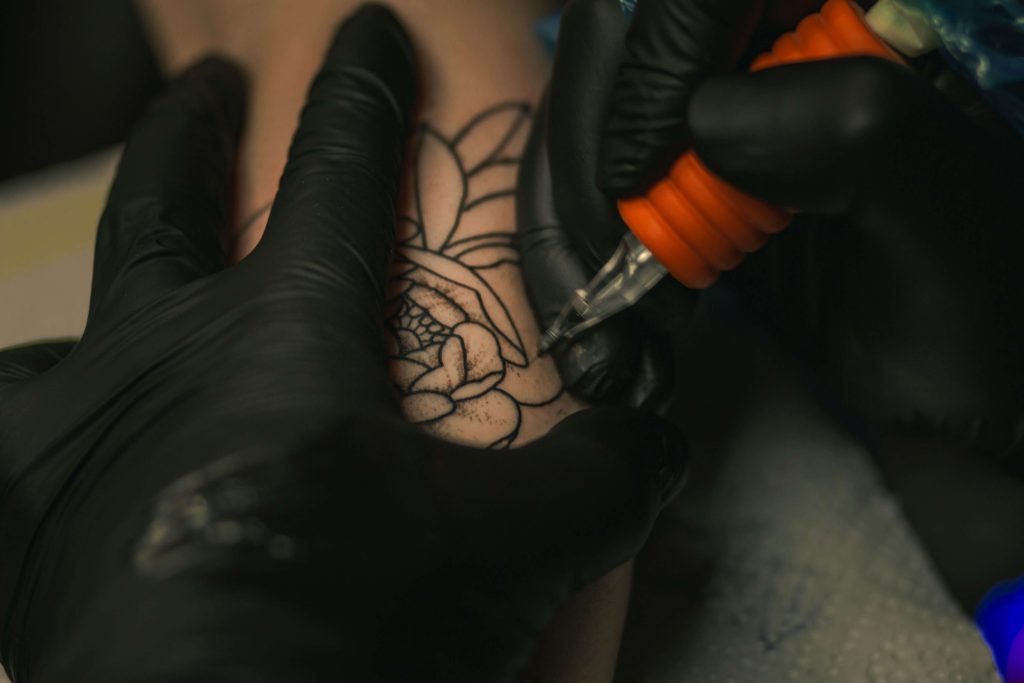
During this step, the artist uses a tattoo machine to inject ink into the skin. This is where the design comes to life. The process can vary in duration depending on the complexity and size of the tattoo—from a small, simple piece taking under an hour to a large, intricate design requiring multiple sessions. The sensation can range from mild discomfort to sharper pain in more sensitive areas, but many people describe it as a manageable experience.
Step 5: Cleaning and Wrapping
After the tattoo is finished, the artist carefully cleans the area to remove excess ink and blood. The tattoo is then wrapped with a protective covering or bandage to keep it safe from dirt and bacteria. The artist will provide detailed aftercare instructions to help your tattoo heal properly and maintain its color and detail. Proper care during the healing process is crucial to ensure the tattoo looks its best for years to come.
Understanding these steps can help you feel more relaxed and confident, turning your tattoo experience into an enjoyable and memorable journey.

Does Getting a Tattoo Hurt?
One of the most common questions for first-timers is whether getting a tattoo hurts. The truth is, pain is a very personal experience and can vary greatly depending on several factors:
1. Placement on the Body
The location of your tattoo plays a significant role in how it feels. Areas with more flesh or muscle, such as the upper arms, thighs, and calves, are generally less painful. In contrast, areas with thinner skin or closer to bone, like the ribs, spine, feet, hands, and neck, tend to be more sensitive and can feel sharper during the process.
2. Size and Detail
The larger and more intricate the tattoo, the longer the session, which can increase discomfort over time. Fine lines and shading can sometimes feel less intense than prolonged sessions with heavy color or dense blackwork.
3. Personal Pain Tolerance
Everyone experiences pain differently. Some people describe the sensation as mild scratching, tingling, or vibrating. Others feel a sharper, burning, or prickling sensation. Mental state, relaxation, and even hydration levels can also influence how you perceive pain.
General Guidelines:
- Less painful areas: Upper arms, thighs, calves, and other fleshy parts of the body.
- More painful areas: Ribs, spine, feet, hands, ankles, and areas close to bones or with thin skin.
While discomfort is a natural part of getting tattooed, many people find the experience manageable and even rewarding, especially knowing the result is a permanent piece of art that holds personal meaning.

Tattoo Safety: What You Need to Know
Safety should always be a top priority when getting a tattoo. Tattoos involve breaking the skin, so it’s essential to ensure that the process is hygienic and that the artist follows professional standards. Choosing a reputable tattoo studio and a skilled artist not only protects your health but also ensures the best possible result.
What to Look For in a Tattoo Studio:
- Sterile, Single-Use Needles: Needles should be disposed of after each use to prevent infection or the spread of diseases.
- Clean Environment: The studio should be spotless, with sanitized surfaces, equipment, and workstations.
- Licensed or Certified Artists: Ensure the tattoo artist is certified or licensed according to local regulations. Proper training helps reduce mistakes and complications.
- Clear Aftercare Instructions: A good artist will provide detailed guidance on how to care for your tattoo during the healing process, including cleaning, moisturizing, and protecting it from sun or infection.
Potential Risks:
Even with precautions, tattoos carry some inherent risks:
- Infection: Bacterial infections can occur if hygiene standards aren’t followed or if aftercare is neglected.
- Allergic Reactions: Some people may react to certain inks or pigments, especially colored inks.
- Poor Healing or Scarring: Improper tattooing techniques, excessive scratching, or neglecting aftercare can lead to scarring or uneven healing.
Reducing Risks:
Choosing a professional artist and studio significantly reduces these risks. Don’t rush the process—research your artist, look at their portfolio, read reviews, and make sure the environment feels safe and professional. Following their aftercare instructions carefully is equally important to ensure your tattoo heals beautifully and safely.
Tattoo Aftercare: The Key to Proper Healing
Proper aftercare is one of the most important steps in ensuring that your tattoo heals well and looks vibrant for years to come. How you care for your tattoo immediately after getting it can affect the final appearance, color retention, and overall health of the skin.
Basic Aftercare Tips:
- Keep it Clean and Dry: Gently wash the tattoo with mild, fragrance-free soap and lukewarm water. Pat it dry with a clean towel—never rub.
- Apply Recommended Ointment: Use only the ointment or moisturizer suggested by your tattoo artist. This helps prevent infection, keeps the skin hydrated, and aids in the healing process.
- Avoid Scratching or Picking: As your tattoo heals, it may itch or form scabs. Do not scratch or pick at it, as this can damage the design and increase the risk of infection or scarring.
- Protect from Sunlight: Avoid direct sunlight on the fresh tattoo. UV rays can fade the colors and damage healing skin. Once healed, apply sunscreen regularly to preserve the tattoo.
- Avoid Swimming or Soaking: Stay away from pools, hot tubs, saunas, and natural bodies of water for 2–3 weeks. Soaking can introduce bacteria and slow the healing process.
Healing Timeline:
- Surface Healing: Most tattoos take about 2–4 weeks to heal on the surface. During this time, peeling, flaking, and mild redness are normal.
- Full Healing: Complete healing, including the deeper layers of the skin, can take several months. During this period, the tattoo will settle, and colors will appear more vibrant.
By following proper aftercare instructions, you can ensure that your tattoo heals safely, retains its clarity, and continues to look beautiful for years.

Tattoo Trends in Modern Culture
Tattooing has evolved far beyond its traditional roots and continues to change alongside fashion, art, and cultural expression. Modern tattoo trends reflect both personal creativity and the influence of global aesthetics, making tattoos more versatile and accessible than ever.
Current Popular Trends:
- Fine Line and Minimalist Tattoos: Delicate, precise lines create subtle, elegant designs. These tattoos are often small and understated, appealing to those who prefer simplicity and sophistication.
- Micro Tattoos: Tiny, detailed tattoos have become increasingly popular. They can fit almost anywhere on the body and often carry personal meaning or artistic flair.
- Patchwork Sleeves: Instead of a single large design, patchwork sleeves combine multiple tattoos into a cohesive, visually striking sleeve. Each piece tells a story while contributing to the overall composition.
- Hand and Finger Tattoos: Small designs on hands, fingers, or knuckles are now widely accepted as stylish and expressive, despite previously being considered bold or unconventional placements.
- Personalized Script and Handwriting: Custom lettering, including quotes, names, or personal messages in unique handwriting styles, adds a deeply personal touch to tattoos.
- Nature-Inspired Designs: Flora, fauna, celestial elements, and landscapes are increasingly popular, reflecting both a connection to nature and the growing interest in organic, flowing designs.
The Role of Social Media:
Platforms like Instagram and TikTok have had a major impact on modern tattoo culture. Artists can showcase their portfolios to a global audience, and trends spread quickly through shared images and viral designs. Social media has also made it easier for people to find inspiration, discover skilled artists, and connect with tattoo communities worldwide.
Modern tattoo trends combine tradition, artistry, and personal expression, making tattoos a dynamic part of contemporary culture.

Things to Consider Before Getting a Tattoo
Getting a tattoo is a permanent decision, and it’s important to think carefully before committing. Taking the time to reflect on your choice can help ensure that you’re happy with your tattoo for years to come.
Key Questions to Ask Yourself:
- Longevity of the Design: Will I still like this tattoo in 5–10 years? Trends and personal tastes change, so choosing a design with lasting meaning or aesthetic appeal is important.
- Placement and Lifestyle: Does the location of the tattoo fit my daily life, work, or social environment? Some professions may have restrictions on visible tattoos, and certain areas may be more prone to fading or require special care.
- Artist Selection: Have I chosen a skilled, reputable artist? Research portfolios, reviews, and studio hygiene standards to ensure your tattoo is done safely and professionally.
- Commitment to Permanence: Am I comfortable with the fact that this tattoo is permanent? While removal is possible, it’s costly, time-consuming, and may not completely erase the design.
Tattoo Removal: Can Tattoos Be Removed?
Yes—tattoos can be removed, but the process is not simple and requires careful consideration before getting inked. Tattoo removal is usually more complicated, time-consuming, and costly than getting the tattoo itself.
Common Method:
- Laser Removal: This is the most widely used method. Lasers break down the tattoo ink into smaller particles, which the body’s immune system gradually removes.
Important Facts About Tattoo Removal:
- Multiple Sessions Required: Complete removal often takes several treatments spaced weeks apart, depending on the tattoo’s size, color, and location.
- Can Be Expensive: The cumulative cost of multiple sessions can be significant, sometimes exceeding the cost of the original tattoo.
- May Not Fully Remove the Tattoo: Some colors, especially bright blues, greens, and yellows, can be difficult to remove completely. Fading is common, and some faint outlines may remain.
- Discomfort: Laser removal can be uncomfortable, often described as similar to getting a tattoo, or like snapping a rubber band against the skin.
Because removal is challenging, painful, and sometimes incomplete, it’s crucial to think carefully before getting a tattoo. Choosing a design, placement, and meaning that you’re confident in can help prevent regret later.
Final Thoughts
Tattoos are far more than just ink on the skin—they are a meaningful form of self-expression, storytelling, and artistic creation. Each tattoo carries the potential to reflect your identity, commemorate significant moments, or symbolize personal growth and values.
Whether you are planning your first tattoo or adding another piece to an existing collection, taking the time to understand the process, potential risks, styles, and symbolism can help you make an informed and confident decision. A well-planned tattoo, executed by a skilled artist and cared for properly, can become a lifelong source of pride and personal expression.
Done right, a tattoo is not only a work of art—it’s a permanent reflection of who you are and what matters most to you.