

What Are Panic Attacks?
Panic attacks are sudden, intense waves of fear or discomfort that peak within minutes. They can happen without warning—even when there is no real danger.
During a panic attack, the body reacts as if it’s in immediate threat, activating the “fight or flight” response. This reaction can feel overwhelming and, for many people, frightening enough to make them think something serious is happening physically.
How Do Panic Attacks Develop?
Panic attacks often develop as part of heightened anxiety, but they can also appear unexpectedly.
- Biological Factors
- Overactive nervous system
- Sensitivity to stress hormones (like adrenaline)
- Genetic predisposition
- Psychological Factors
- Fear of losing control
- Overthinking physical sensations
- Past panic experiences (fear of having another attack)
- Stress and Lifestyle
- Chronic stress
- Lack of sleep
- High caffeine intake
- Emotional overload
Over time, some people develop a cycle where the fear of another panic attack actually increases the chances of having one.
Early Warning Signs
Sometimes panic attacks seem to come “out of nowhere,” but there can be subtle signs beforehand:
- Feeling unusually tense or restless
- Increased heart awareness
- Sudden wave of unease
- Racing thoughts
Not everyone notices these signs, which is why panic attacks often feel unpredictable.
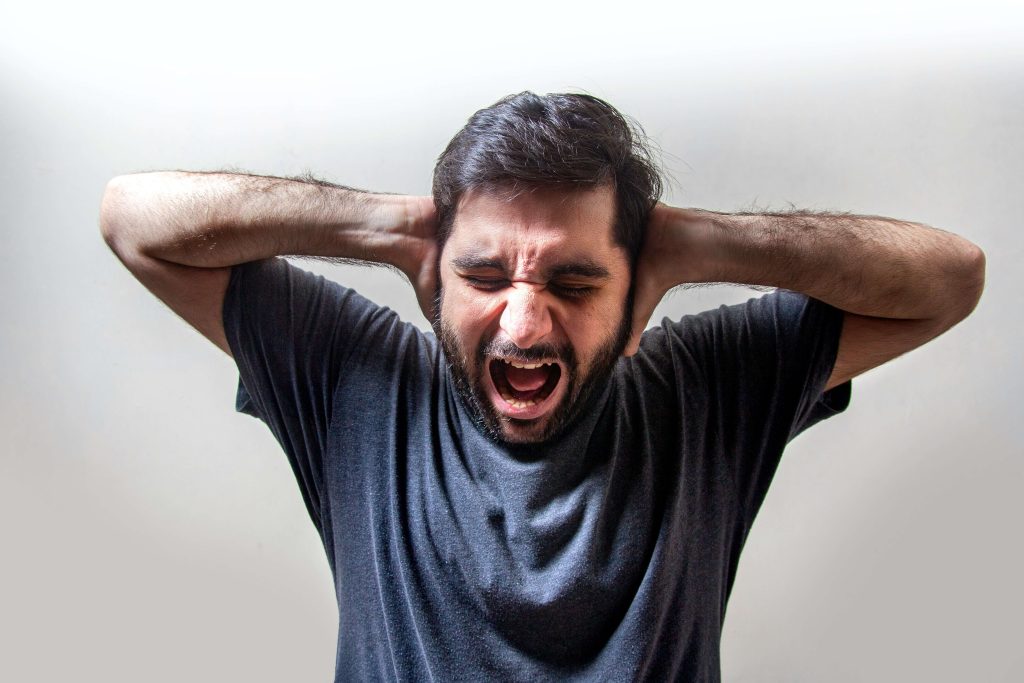
Common Symptoms of a Panic Attack
Physical Symptoms
- Rapid or pounding heartbeat
- Shortness of breath
- Chest tightness
- Dizziness or feeling faint
- Sweating or chills
- Nausea
Emotional Symptoms
- Intense fear
- Feeling of losing control
- Fear of dying
Cognitive Symptoms
- “Something is seriously wrong” thoughts
- Feeling detached from reality (derealization)
- Feeling detached from oneself (depersonalization)
These symptoms are real and intense—but not dangerous, even though they feel that way.
How Long Do Panic Attacks Last?
- Most panic attacks peak within 5–10 minutes
- They usually pass within 20–30 minutes
- After-effects (fatigue, shakiness) can last longer
Even though they are short-lived, they can feel much longer during the experience.
What Triggers Panic Attacks?
Triggers vary, but common ones include:
- High stress or emotional overload
- Crowded or enclosed spaces
- Health-related worries
- Caffeine or stimulants
- Lack of sleep
- Specific fears (like driving or flying)
Sometimes, panic attacks happen without any clear trigger at all.
What Does a Panic Attack Feel Like?
People often describe panic attacks as:
- A sudden surge of extreme fear
- Feeling like they can’t breathe
- A sense that something terrible is about to happen
- Losing control over their body
It can feel so intense that many people believe they are having a serious medical emergency.

How Do Panic Attacks Affect Daily Life?
Behavior Changes
- Avoiding places or situations
- Constantly monitoring body sensations
- Seeking reassurance
Work and Focus
- Difficulty concentrating
- Fear of having an attack in public or at work
Social Life
- Avoiding social situations
- Fear of embarrassment
Over time, this can limit a person’s lifestyle if not addressed.
What Feels Especially Difficult?
People who experience panic attacks often struggle with:
- The unpredictability of attacks
- Fear of losing control in public
- Physical sensations that feel dangerous
- Anticipatory anxiety (fear of the next attack)
This “fear of fear” can sometimes be as challenging as the attacks themselves.
How Are Panic Attacks Treated?
- Therapy
- Cognitive Behavioral Therapy (CBT)
- Learning to reinterpret physical sensations
- Breaking the fear cycle
- Medication
- Sometimes prescribed for frequent or severe cases
- Helps regulate anxiety response
- Self-Management Techniques
- Slow, controlled breathing
- Grounding techniques
- Reducing caffeine
- Regular sleep and routine
Understanding what’s happening in the body is often a key part of recovery.
What Recovery Feels Like?
As panic attacks become manageable, people often notice:
- Less fear of the sensations
- Fewer or less intense attacks
- Increased confidence
- Ability to stay calm during symptoms
The biggest change is realizing: the sensations are uncomfortable, but not dangerous.
Life After Panic Attacks
After overcoming or learning to manage panic attacks, many people:
- Regain freedom in daily life
- Stop avoiding situations
- Feel more in control of their body
- Develop stronger resilience
Even if symptoms occasionally return, they no longer have the same power.
Final Thoughts
Panic attacks are intense and often frightening experiences, but they are not harmful. They are the body’s alarm system reacting too strongly—not a sign of real danger.
With the right understanding, tools, and support, panic attacks can be managed effectively, allowing people to return to a normal, fulfilling life.