

Keeping fish as pets may look simple at first glance, but a healthy and beautiful aquarium requires knowledge, patience, and proper care. Fish are living beings with specific needs, and understanding those needs is the key to long-term success and enjoyment.
This complete beginner’s guide is designed for people who have never owned fish before, as well as those who want to improve their aquarium care. Whether you’re planning to keep one small fish or create a large, vibrant aquarium, this article will walk you through everything you need to know.
Where to Buy Fish and Aquarium Equipment?
Fish should always be purchased from reputable pet stores, aquarium shops, or trusted breeders. Avoid buying fish from places where tanks look dirty, overcrowded, or poorly maintained.
A good aquarium store should:
- Have clear, clean water in tanks
- Keep fish active and alert
- Separate sick or aggressive fish
- Provide advice and answer questions
Never buy fish from temporary stalls or unknown sellers without proper equipment and knowledge.
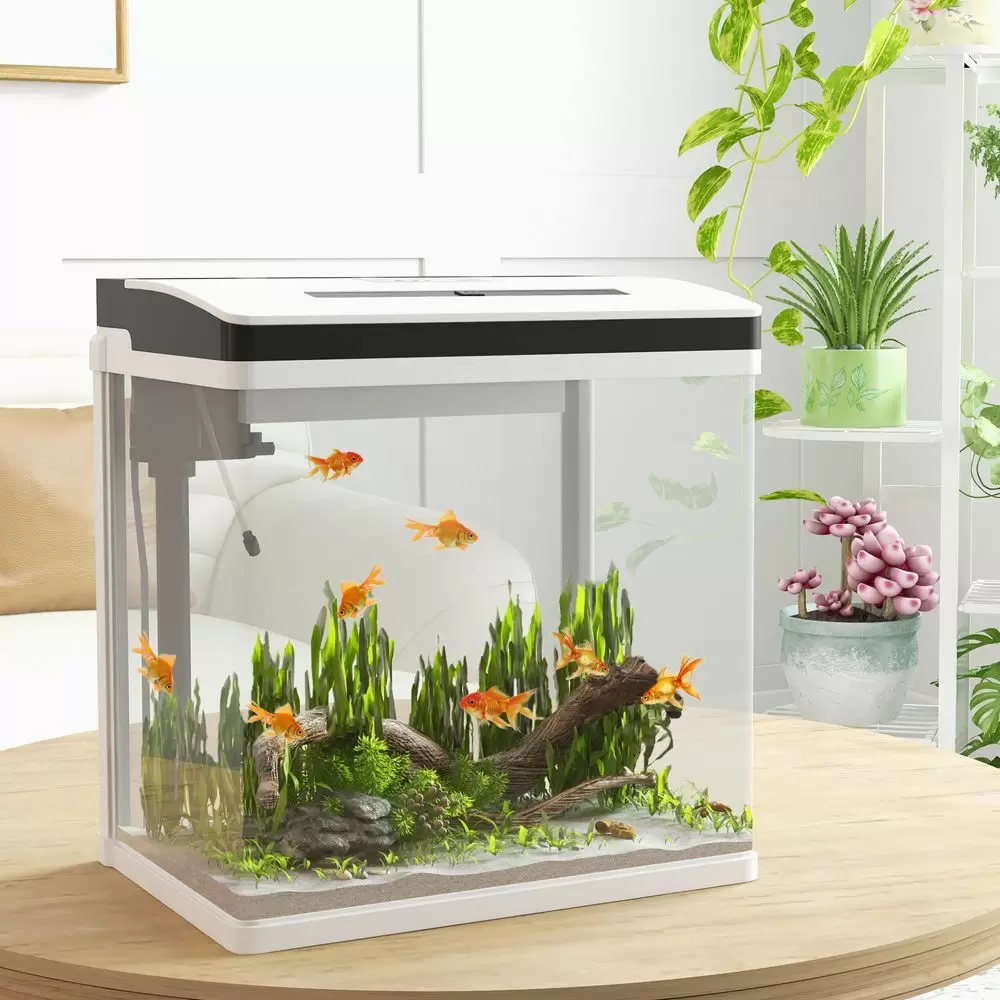
How to Recognize a Healthy Fish
Before buying a fish, carefully observe it. A healthy fish should:
- Swim actively and steadily
- Have clear, bright eyes
- Show smooth, shiny scales (no white spots, wounds, or fuzz)
- Have intact fins without tears or discoloration
- Breathe normally (not gasping at the surface)
Avoid fish that:
- Hide constantly
- Lie at the bottom
- Swim erratically
- Have swollen bodies or visible spots
Choosing healthy fish from the start prevents many future problems.
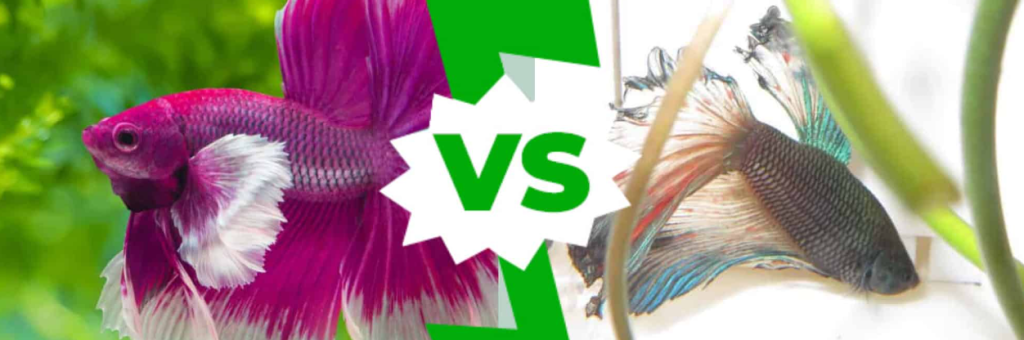
Feeding Aquarium Fish: What, How Much, and How Often
Most aquarium fish eat commercial fish food, available as flakes, pellets, granules, or frozen food.
General Feeding Rules:
- Feed 1–2 times per day
- Only give food they can eat within 2–3 minutes
- Overfeeding is more dangerous than underfeeding
Leftover food pollutes the water and causes health issues.
Some fish may also enjoy:
- Frozen or live food (brine shrimp, bloodworms)
- Vegetables (for herbivorous species)
Always choose food suitable for your specific fish type.
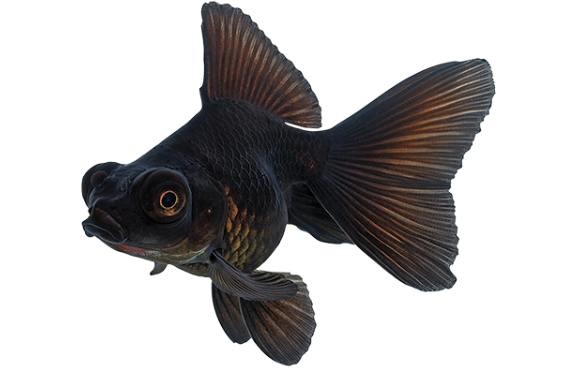
Aquarium Size: Small, Medium, and Large Tanks
Small Aquarium (1 fish, e.g. Betta)
- Minimum: 5 gallons (20 liters)
- Needs a filter and heater
- Weekly water changes (20–30%)
Small tanks require more frequent maintenance because water quality changes faster.
Medium Aquarium (Several Fish)
- Size: 10–30 gallons (40–120 liters)
- Allows community fish
- Easier to maintain stable water conditions
- Requires proper fish compatibility
Large Aquarium (Many Fish)
- 50+ gallons (200+ liters)
- Best water stability
- Ideal for diverse species
- Requires stronger filtration and planning
Bigger aquariums are often easier for beginners than very small ones.
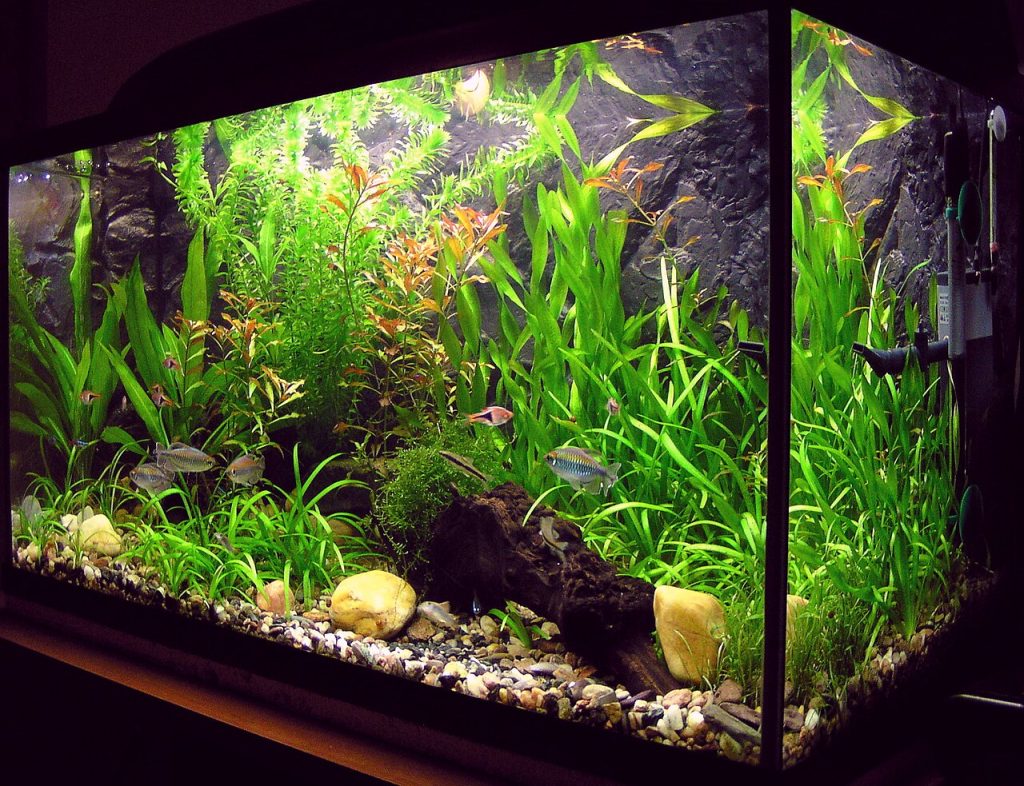
Water Quality: The Heart of a Healthy Aquarium
Fish live in water 24/7, so water quality is crucial.
Key Water Requirements:
- Dechlorinated tap water or treated aquarium water
- Stable temperature (most tropical fish: 24–26°C / 75–79°F)
- Proper filtration
- Regular water changes (20–30% weekly)
Never use untreated tap water directly.
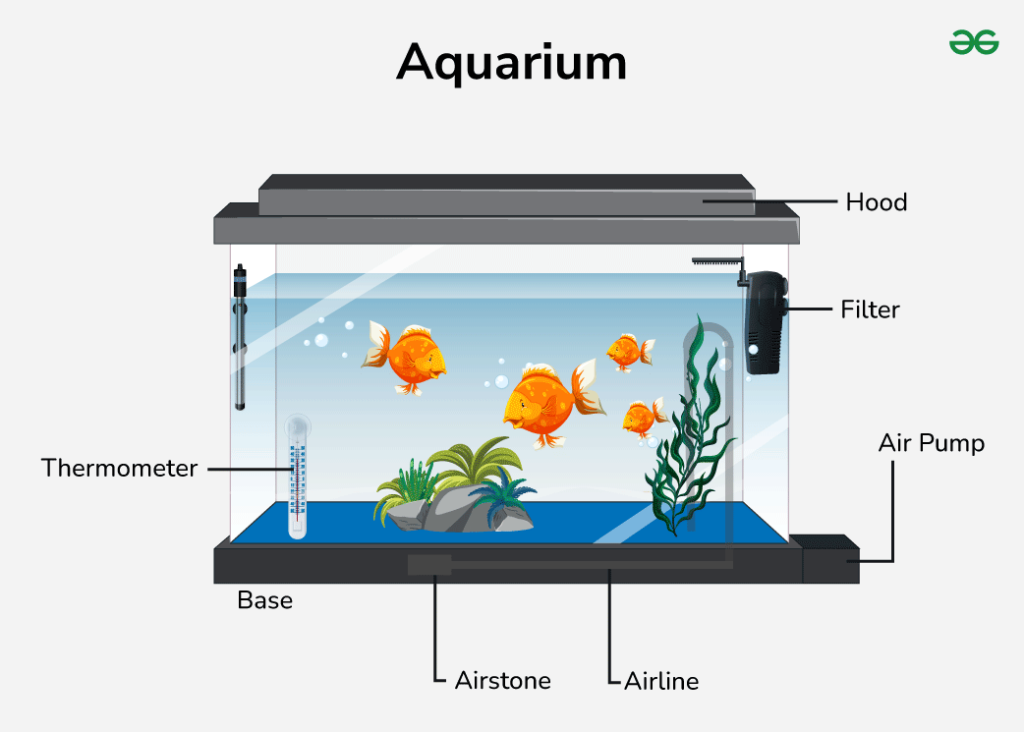
Aquarium Filtration and Cleaning
Every aquarium needs a filter. It removes waste, harmful chemicals, and debris.
Maintenance Tips:
- Rinse filter media in aquarium water (not tap water)
- Never clean everything at once
- Avoid full water changes unless absolutely necessary
Consistency is more important than perfection.
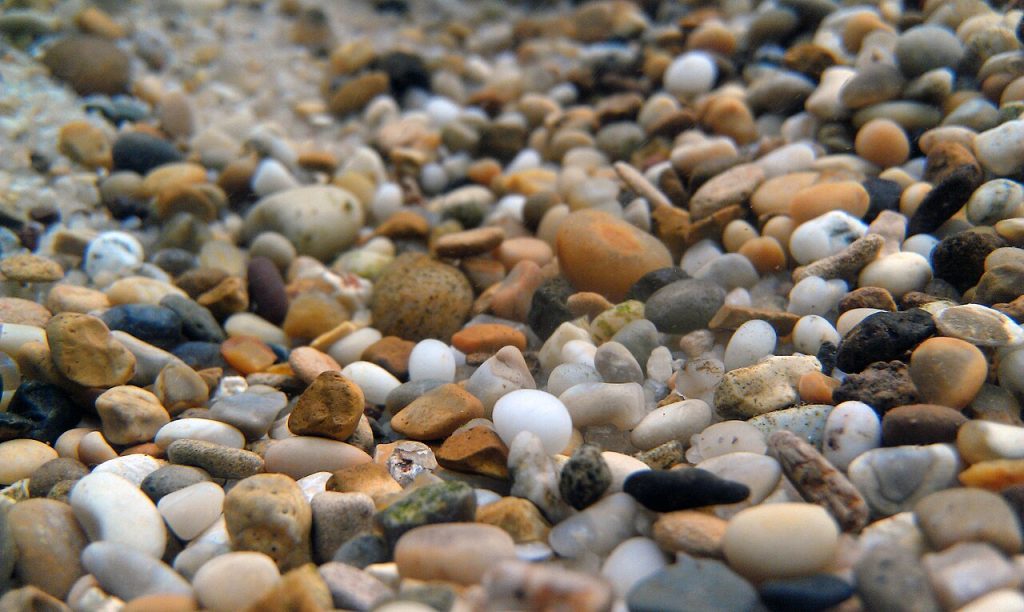
Substrate: What Goes at the Bottom of the Aquarium
The substrate affects both appearance and fish comfort.
Common Types:
- Gravel (easy for beginners)
- Sand (natural look, good for bottom dwellers)
- Specialized plant substrates
Choose smooth, non-sharp material to protect fish.
Aquarium Decorations: Beauty and Function
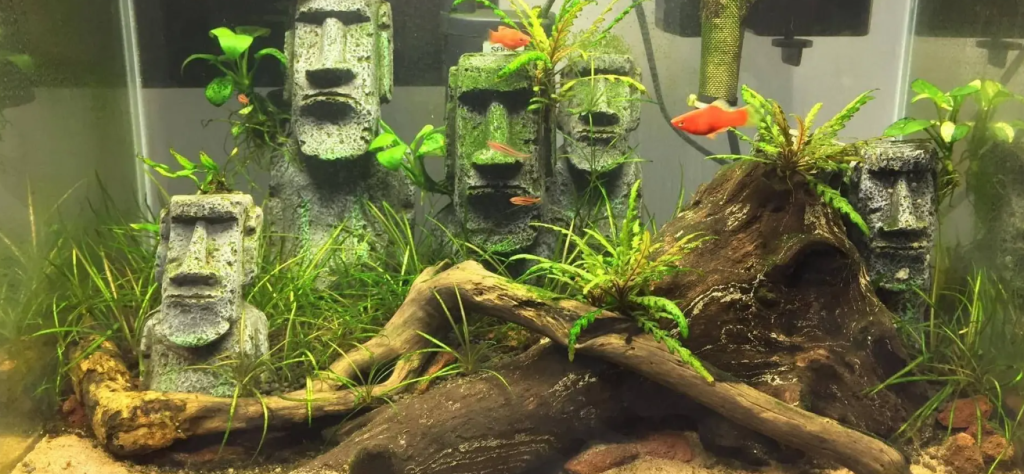
Decorations are not just for looks — they provide shelter and reduce stress.
Best decoration options:
- Natural rocks and driftwood (aquarium-safe)
- Live or artificial plants
- Caves and hiding spots
Avoid decorations with sharp edges or toxic materials.
Fish Compatibility: Which Fish Can Live Together?
Not all fish get along. Mixing incompatible species leads to stress, illness, or aggression.
General Compatibility Tips:
- Keep peaceful fish together
- Avoid mixing aggressive and shy species
- Match fish with similar size and water needs
- Research before combining species
Community tanks work best with calm, social fish.
Space Requirements: How Much Room Do Fish Need?
Overcrowding is a common beginner mistake.
General rule:
- About 1 inch (2.5 cm) of fish per gallon (4 liters) — depending on species
Some fish need more swimming space, others need territory.
Always research adult size, not baby size.
Giving Fish as a Gift: Important Considerations
Fish should never be a surprise gift unless the recipient already has an aquarium.
If gifting fish:
- Offer a gift card to an aquarium store
- Include proper equipment
- Provide care information
Responsible gifting prevents suffering and disappointment.
Final Thoughts: Are Fish the Right Pet for You?
Fish are calming, beautiful, and rewarding pets — but they are not “decoration.” They require time, attention, and responsibility.
When cared for properly, an aquarium becomes a peaceful living ecosystem that brings joy for years.